Last updated October 30, 2026
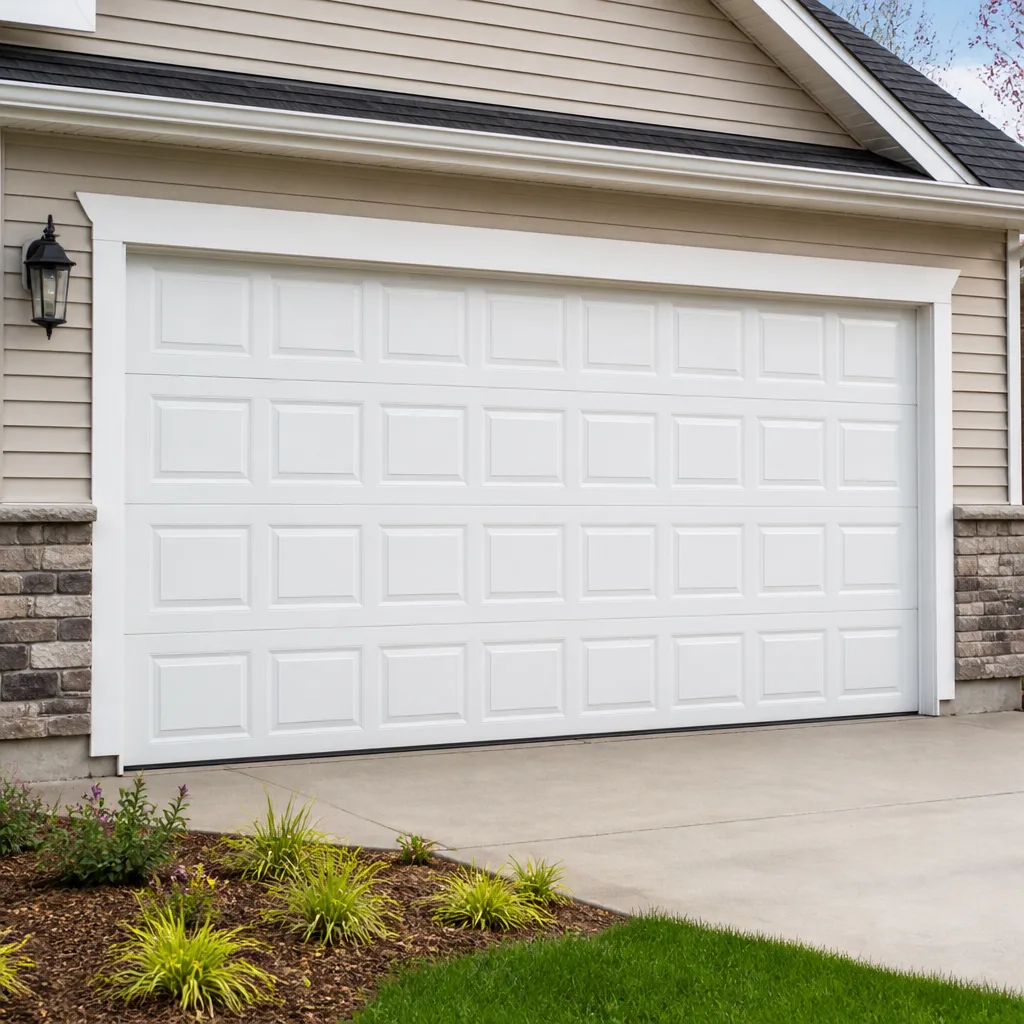 Raised-panel steel
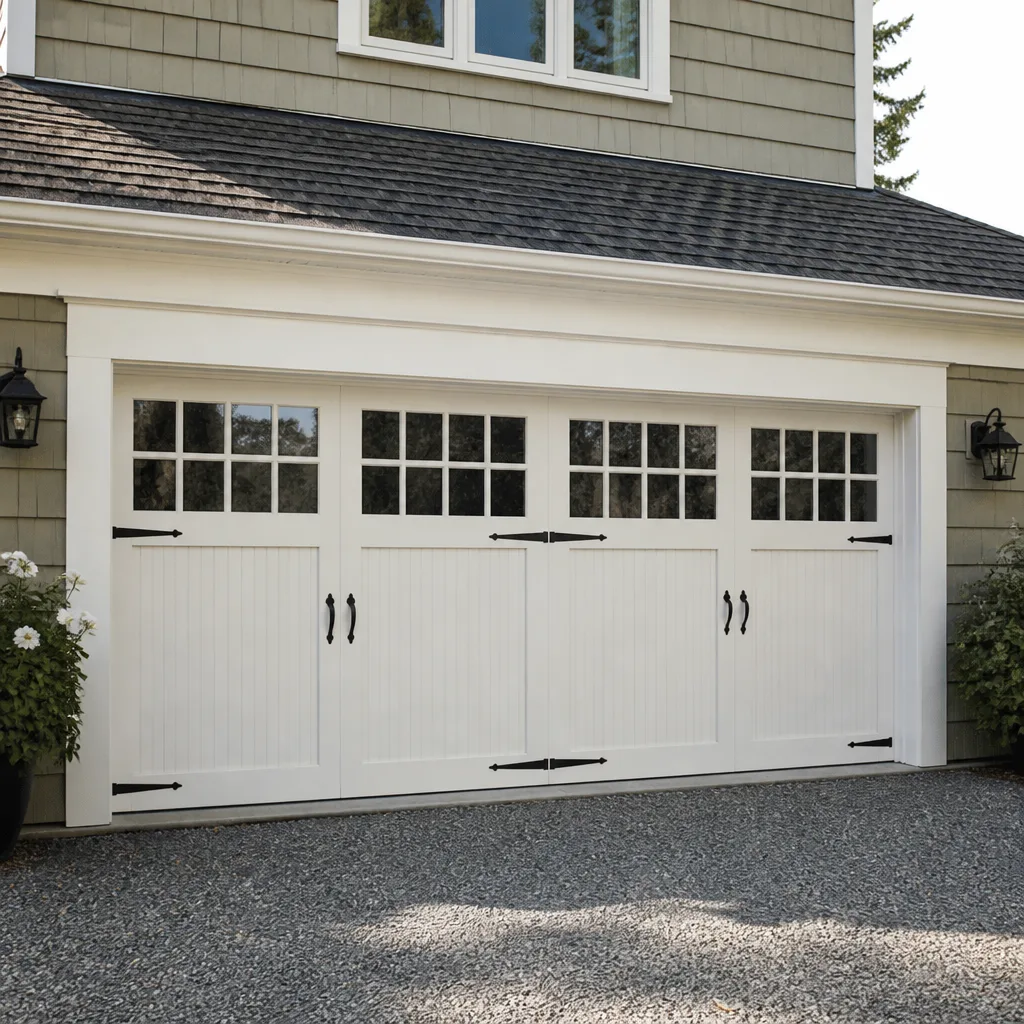 Carriage house
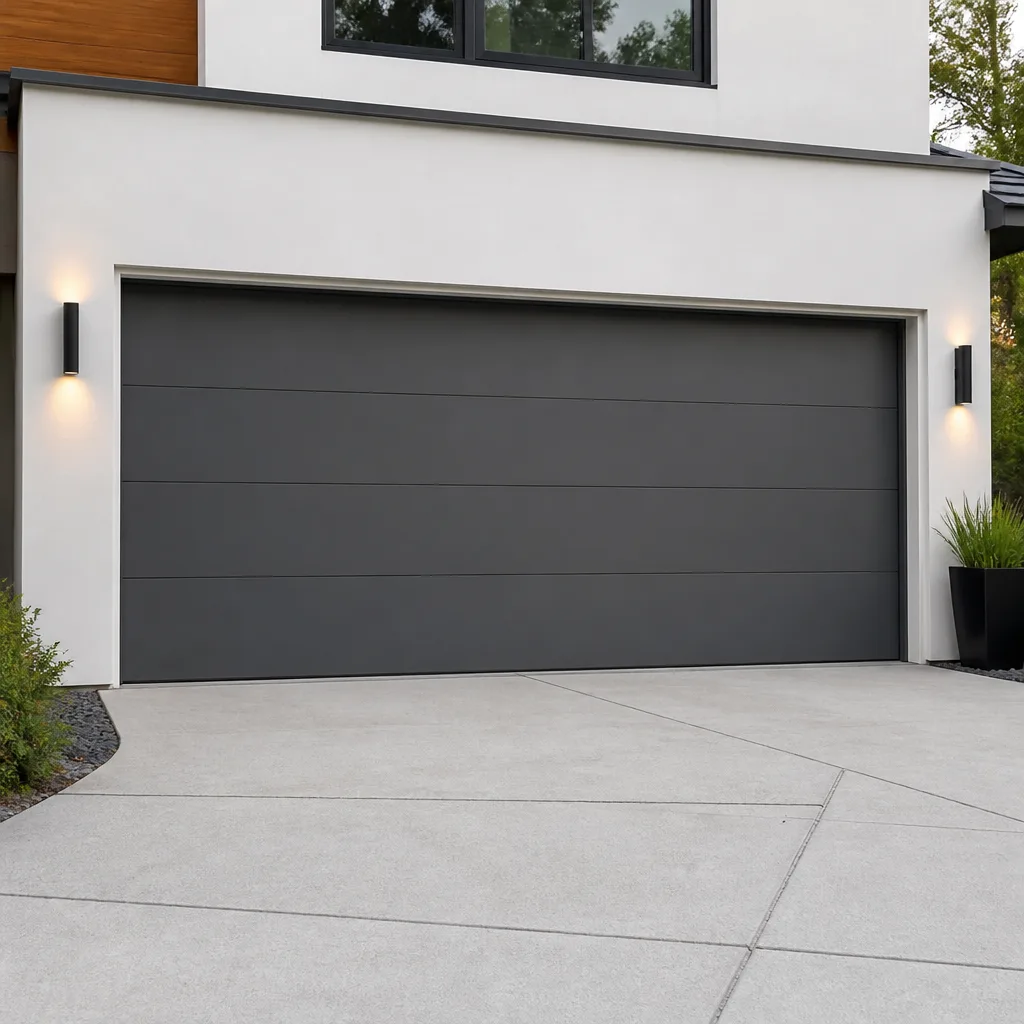 Modern flush
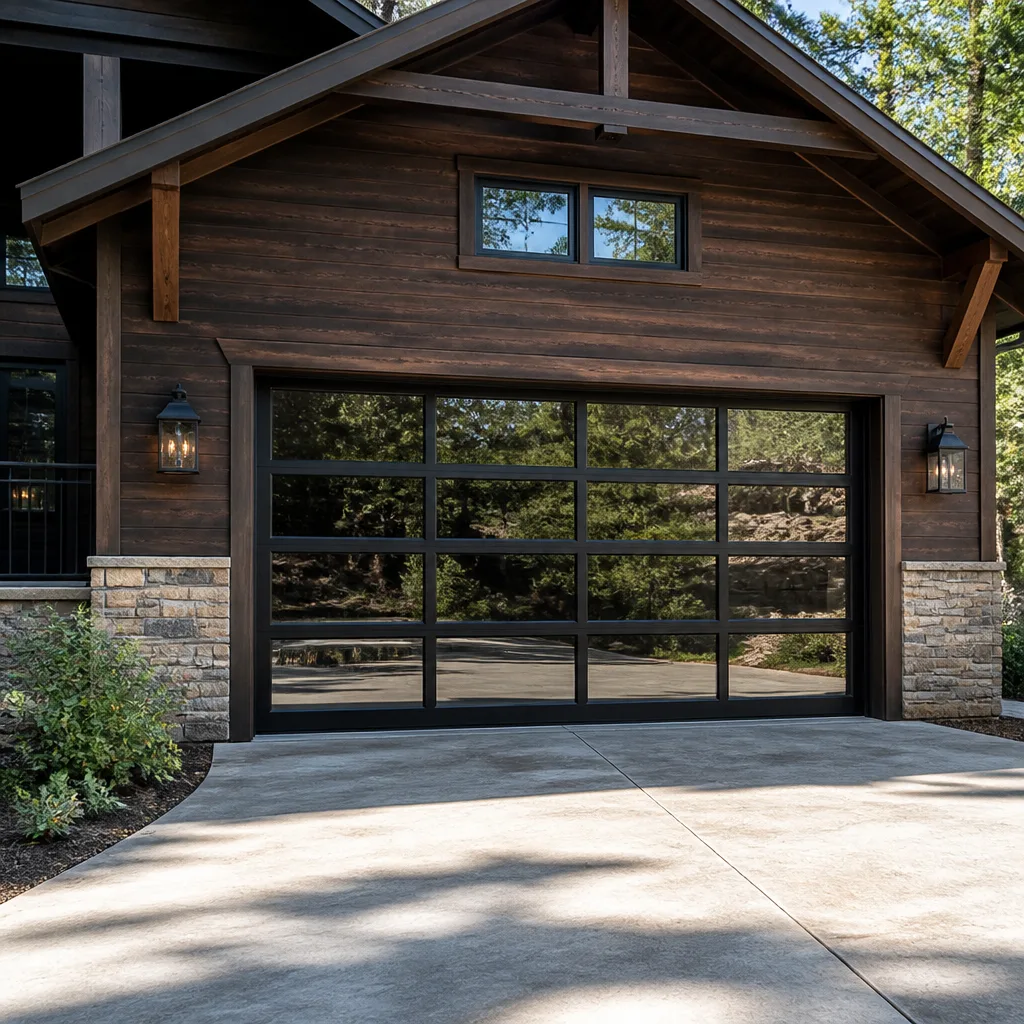 Full-view glass
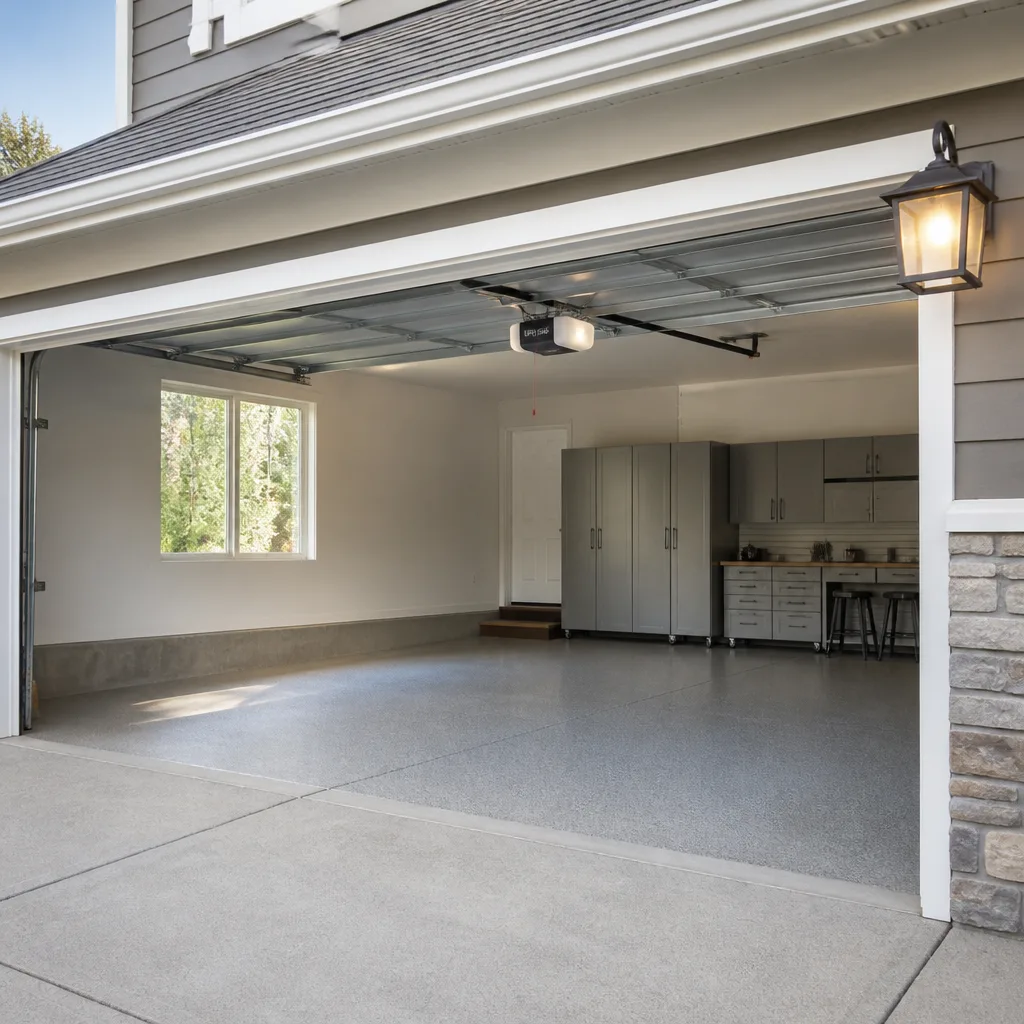 LiftMaster openers
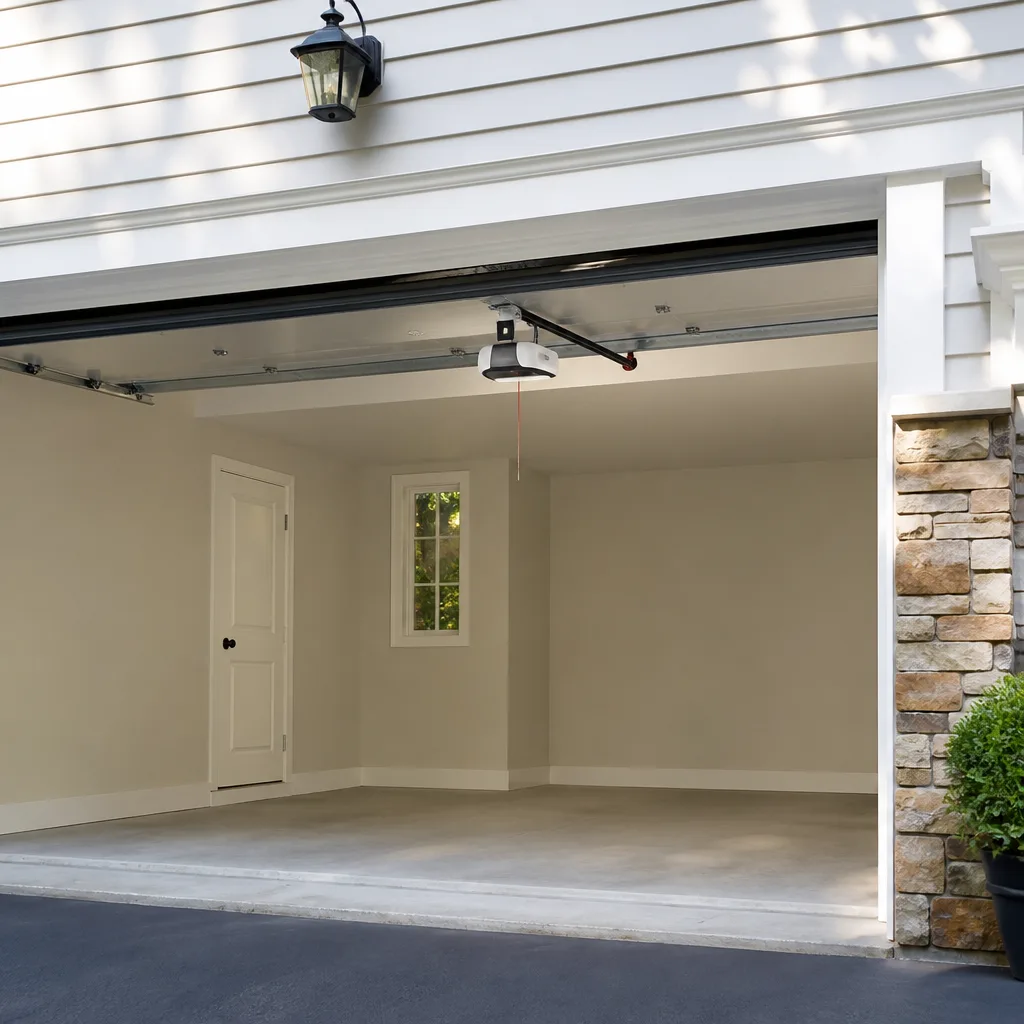 Chamberlain openers
Full 25-point door and opener safety check with every visit - springs, cables, rollers, tracks, and your LiftMaster or Chamberlain opener included
You get a price before we start. It does not change when the truck arrives.
Get your free estimateGarage Door Warning Signs: A West Palm Beach Homeowner’s Reference Guide
Here’s the thing most homeowners in West Palm Beach don’t realize: your garage door almost never fails without warning. It telegraphs the failure days, sometimes weeks, in advance. The problem is that the signals are subtle. A door that feels a little heavier. A hum that wasn’t there last month. A slight shimmy in the tracks. We’ve run thousands of service calls where the homeowner said “it just stopped working out of nowhere” – and in nearly every case, the door had been signaling trouble for a while. This guide breaks down exactly what to look for, what it means, and when to act before a $150 tune-up becomes a $1,200 emergency repair, and you can find more guides & resources on our blog.
Quick Answer
A garage door needs attention if it moves slower than normal, makes grinding or straining sounds, sits unevenly when closing, or shakes during operation – these are early signs of spring fatigue, roller wear, or opener strain. In West Palm Beach, rust streaking on the door face, salt-pitted roller shafts, and seal adhesion failure are climate-specific warnings that don’t appear in generic guides. If a door feels unusually heavy when disengaged from the opener, the springs are failing and a break is likely within days, not weeks.
Styles & brands we work with
Table of Contents
- Signs You Should Stop Using the Door Immediately
- Signs to Schedule Service Within a Week
- Signs to Watch and Monitor
- West Palm Beach-Specific Warning Signs
- The 60-Second Balance Test Every Homeowner Should Know
- Opener Warning Signs: When the Motor Is the Problem
- LED Error Codes by Brand: What the Blinks Mean
- Common Mistakes to Avoid
- When to Call a Professional
- Frequently Asked Questions
Signs You Should Stop Using the Door Immediately
Some warning signs mean “keep an eye on it.” These four mean “unplug the opener and use the front door until a technician arrives.” A garage door is the largest moving object in your home, and when it fails catastrophically, the failure happens with hundreds of pounds in motion. These symptoms indicate a risk of physical injury, not just inconvenience.
- The door drops the last 6 to 12 inches when closing. A healthy door settles gently onto the floor. A slam means the spring tension is no longer counterbalancing the door’s weight. The spring is actively failing, and when it lets go completely, the door will free-fall.
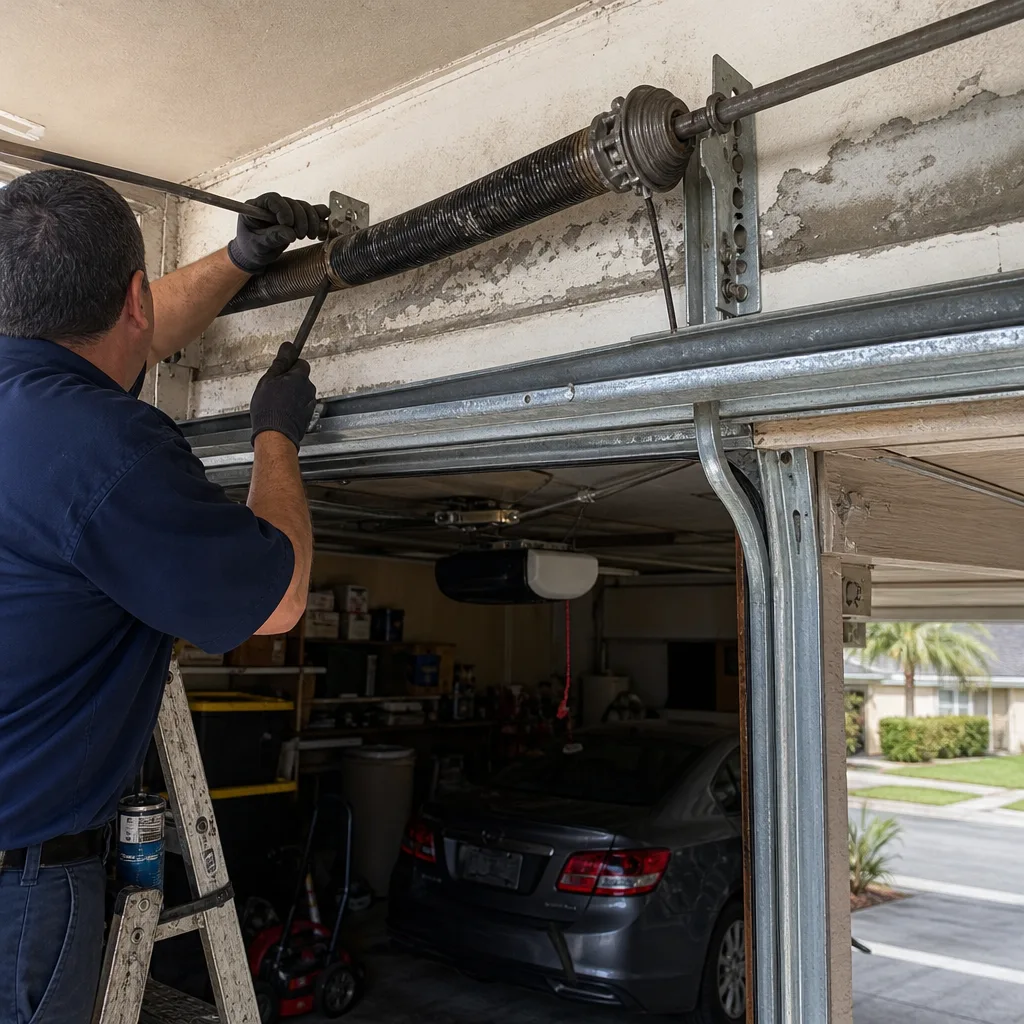
- A visible gap in a torsion spring. If you can see a 2-inch separation in the coil above your door, that spring has snapped. The door is now held entirely by the opener’s arm and, on some models, the cables. The door is unstable and the remaining spring is under double its designed load.
- The door jerks hard to one side when opening or closing. This usually means a cable has slipped off its drum or a roller has left the track. Continued cycling will pull the door further out of alignment, and a cable snapping under tension can cause serious injury.
- Any loud pop or bang followed by the door refusing to move. That sound is a spring snapping. Do not attempt to open the door manually or with the opener. The remaining components are not rated to handle the unbalanced load.
In West Palm Beach, we see these failures spike between November and March when the temperature swings send rusted spring coils through their final flex cycles. If your door shows any of these four signs, stop using it and call us. This is not a “wait until Monday” situation.
Signs to Schedule Service Within a Week
These symptoms don’t require immediate shutdown, but they indicate wear that is accelerating. Left alone, each one will become an emergency in a matter of weeks. Scheduling service now means a technician can replace parts before they fail under load.
- The door cycles noticeably slower than it did six months ago. Springs lose tension as they age, which means the opener motor works harder to move the same weight. Slower operation is the single most common early indicator of spring fatigue we see in West Palm Beach garages.
- A grinding or metallic scraping sound when the door moves. This is typically a roller whose bearing has failed. The roller is no longer spinning; it’s dragging along the track, wearing a flat spot into both the track and the roller shaft. If ignored, the roller can seize completely and pull the door off its track.
- The door sits unevenly when closed, with a gap on one side. Uneven seating means one spring is providing more tension than the other, or one cable has stretched. The door is wearing unevenly, and the stress concentrates on the weaker side until something fails.
- Vibration or shaking in the horizontal track sections. Track vibration that didn’t exist before points to loose mounting brackets or worn rollers. The longer it runs this way, the more the track hardware works loose from the ceiling, which makes the eventual repair more involved and expensive.
- Visible wear on cables: frayed strands, kinks, or rust. Cables are under constant tension and don’t give second chances. A frayed cable is a countdown. In humid West Palm Beach air, cable rust progresses faster than homeowners expect.
Book these within a week. All of them are repairable in a single visit when caught early, and most don’t require replacing the entire door system—though if you’re unsure, see our guide on How to Hire a Garage Door Contractor in West Palm Beach: A Step-by-Step Guide.
Signs to Watch and Monitor
Some signs are worth logging mentally and checking once a month. They don’t require action today, but they tell you which direction the system is heading. The key is to catch the transition from “watch” to “schedule.”
- Increasing loudness that isn’t accompanied by grinding. Doors get louder as rollers and hinges age. If it’s still smooth but noisier than last year, note it and keep an ear out for any metallic tone, which signals the move from aging to failing.
- Small rust spots on the bottom panel corners. In a coastal climate like West Palm Beach where salt air and humidity are constant, surface rust on panel edges is almost inevitable. When the rust is still superficial, it’s a cosmetic concern. When it starts streaking down the door face, that’s a structural corrosion signal and moves to the “schedule” category.
- The opener reversing more than once a month. An occasional reversal when the door hits debris on the track is normal. A pattern of reversals means the opener’s force settings are drifting or the door is binding, and it needs attention sooner rather than later.
- Mild squeaking from hinges. Hinges squeak as factory grease wears away. A little household silicone lubricant on hinge pins resolves most of this. If the squeak persists after lubrication, the hinge may be wearing through its bushing.
- Slow response from a wall button or remote – 2 to 3 seconds between press and movement. Occasional signal lag on a remote can be a dying battery. Consistent lag from the wall button points to logic board issues in the opener that will eventually cause total failure.
West Palm Beach-Specific Warning Signs
Generic garage door guides miss the signals that only make sense in a humid, salt-adjacent climate. West Palm Beach homes sit in one of the most corrosive environments in the country for metal garage door components, and the warning signs reflect that. Here are four you’ll rarely see in national advice.
- Rust streaking on the door face from bracket corrosion. When the metal brackets connecting the door panels start corroding, rainwater picks up the rust and carries it down the face of the door as orange-brown streaks. This isn’t cosmetic. The streaks mean the bracket metal is actively losing material. We see this in West Palm Beach homes near the Intracoastal and in older neighborhoods like El Cid and Flamingo Park where garage environments stay humid year-round.
- Salt-pitted roller shafts. Roller shafts in West Palm Beach develop a speckled, pitted surface from airborne salt working into the metal. The pitting creates friction inside the roller bearing, which accelerates roller failure. When a technician pulls a roller and the shaft looks like it was hit with a sandblaster, replacement is the only real fix.
- Seal adhesion failure from UV exposure. The rubber bottom seal on a garage door has a glue bond to the aluminum retainer. West Palm Beach’s intense UV radiation breaks down that adhesive bond years before the rubber itself wears out. The sign: the seal looks physically fine from above, but it lifts away from the retainer when the door is down, letting leaves, rain, and insects into the garage. It tears cleanly away when you tug it.
- Swollen or warped panel edges on west-facing doors. Doors that face Florida sun for six hours a day absorb heat unevenly. The panel edges, where the metal wraps around insulation, expand and contract at a different rate than the center. Over years, this causes visible rippling or slight separation at panel seams. It’s an early warning that the door’s structural integrity is degrading, which matters for hurricane-season performance.
The 60-Second Balance Test Every Homeowner Should Know
Here’s the single most useful diagnostic you can perform on your garage door, no tools required. It tells you exactly how much life is left in your springs. A properly balanced door is one your springs can hold in place without assistance. An unbalanced door means the springs are losing tension and failure is approaching.
- Close the garage door completely. Make sure nothing is stored under the door path.
- Disconnect the opener from the door. Pull the red emergency release cord. This separates the door from the opener’s arm, allowing the door to move independently. Do this with the door fully closed to avoid a sudden drop if springs are weak.
- Lift the door manually to waist height and let go. You should be able to lift the door easily with one hand. A healthy door weighs 8 to 10 pounds at this point because the springs are doing the work. If it feels like 40 to 60 pounds of dead weight, your springs are shot and need replacement immediately.
- Watch what the door does when you release it. A healthy door stays exactly where you left it, or drifts an inch or two. A door that falls closed means the springs have lost tension. A door that shoots upward means too much tension, which is equally unsafe and will burn out the opener.
- Reconnect the opener by pulling the release cord toward the door and cycling the opener once. It will re-engage automatically.
If your door fails the balance test, that’s the signal to call before the spring breaks. We replace springs throughout West Palm Beach – from Northwood to South End – and the difference between a spring replacement and a spring break emergency is often a matter of days at this stage.
Opener Warning Signs: When the Motor Is the Problem
Door mechanicals and opener electronics fail in different ways, and the symptoms are distinct. Here’s how to tell when the opener itself is the problem, not the door it’s attached to. We repair openers from LiftMaster, Chamberlain, Genie, and most other major brands, and these warning signs are consistent across all of them—though if you’re selecting new equipment, our guide on Choosing the Right Garage Door Brand: A Buyer’s Guide for West Palm Beach can help.
- The opener runs but the door doesn’t move. This almost always means the drive gear or belt sprocket has stripped. The motor spins freely but the transmission of force to the door is broken. It’s a mechanical failure inside the opener rather than an electrical one.
- The opener reverses before the door touches the floor, every time. Openers reverse when they sense excessive resistance. If the door passes the balance test above, the reversal is an opener issue – either the force sensitivity settings have drifted or the travel limits are miscalibrated. It can also indicate a failing logic board that misreads the resistance signal.
- Intermittent operation – works sometimes, dead other times. When an opener’s logic board starts failing from heat degradation (which happens faster in hot West Palm Beach attics and garages), the symptom is usually inconsistency. It works in the morning, refuses at 3 p.m., then works again at dusk. Heat-stressed circuit boards flex and lose connection as temperatures peak.
- The light on the opener stays on, or flickers even when the door isn’t moving. This is an early logic board or capacitor symptom. The opener’s brain is misfiring.
- Remote and keypad work inconsistently from the same distance they always worked from. Don’t just replace the battery. If new batteries don’t fix it, the receiver board inside the opener is degrading. Some openers let you add an external receiver; most require replacing the board.
One note that surprises homeowners: an opener that burns out a drive gear is often the victim of a door that was running unbalanced for months first. The door problem killed the opener. That’s why we diagnose the entire system when we’re called for opener repair – replacing an opener motor on a door with dead springs just burns out the new motor the same way. Garage Door Opener Repair in Loxahatchee Groves homes has the same root-cause dynamic, and we approach every opener call as a whole-system check.
LED Error Codes by Brand: What the Blinks Mean
Modern openers diagnose themselves. The LED light on the motor unit blinks in patterns that correspond to specific failures. Here are the codes our technicians see most often on calls in West Palm Beach, decoded for the three most common residential brands. One blink equals one count of the light flashing, followed by a pause.
- LiftMaster and Chamberlain (same codes – same parent company): 4 blinks indicate a safety sensor obstruction or misalignment. This is the most common code, usually caused by a sensor knocked out of line by a car bumper or a box. 5 blinks mean the motor overheated – common in Florida garages in August, and usually resolves when the unit cools, but repeated 5-blink events point to a failing motor. 1-2 blinks indicate the logic board is not communicating with the wall panel. That’s a board issue.
- Genie: A red light blinking twice indicates the safety sensors are blocked or misaligned. A red light blinking four times tells you the travel limits need to be reset – the opener doesn’t know where the door is in its range of motion. Three red blinks mean the force setting was exceeded while opening, which often comes back to a balance problem in the door itself, not the opener.
- Clopay doors with integrated openers: Most Clopay systems use LiftMaster or Genie powerheads, so the codes above apply. We mention Clopay specifically because homeowners with Clopay doors often assume the door and opener are one integrated unit that requires a Clopay specialist. That’s not the case – the codes are read the same way.
Reading the code gets you a diagnosis. Fixing it gets your door working. For sensor misalignment codes on LiftMaster or Chamberlain units, a homeowner can usually fix it in five minutes by adjusting the sensor brackets. For motor overheat and logic board codes, you’ll need a technician, because replacing those components requires disassembly of the opener housing and recalibration of the force settings.
Common Mistakes to Avoid
- Ignoring slow operation as “normal aging.” Doors don’t get slower because they’re old. They get slower because springs are losing tension and the opener is compensating. Slowness is a countdown to a failing spring, and treating it as normal is how a $200 repair becomes a broken spring at 7 a.m. on a workday.
- Lubricating to fix a grinding noise. Lubrication fixes squeaking. It does not fix grinding. Grinding means a roller bearing has failed, and lubrication just greases the flat spot while the roller keeps destroying the track. By the time a homeowner calls us after “lubricating it a few times,” we’re often replacing track sections that could have been saved.
- Replacing the battery every time the remote acts up. A new battery fixes a remote that was erratic and then eventually died. It doesn’t fix a remote that works at 20 feet but not at 40, or an opener that works from the wall button but not the remote. Those are receiver issues, and home depot batteries won’t help.
- Continuing to use an unbalanced door after the first slam. Once a door slams closed, the spring has already partially failed. The next event is a full break. Continuing to cycle the door daily after a slam means running the remaining spring and the opener motor at double load, which accelerates both toward their own failures.
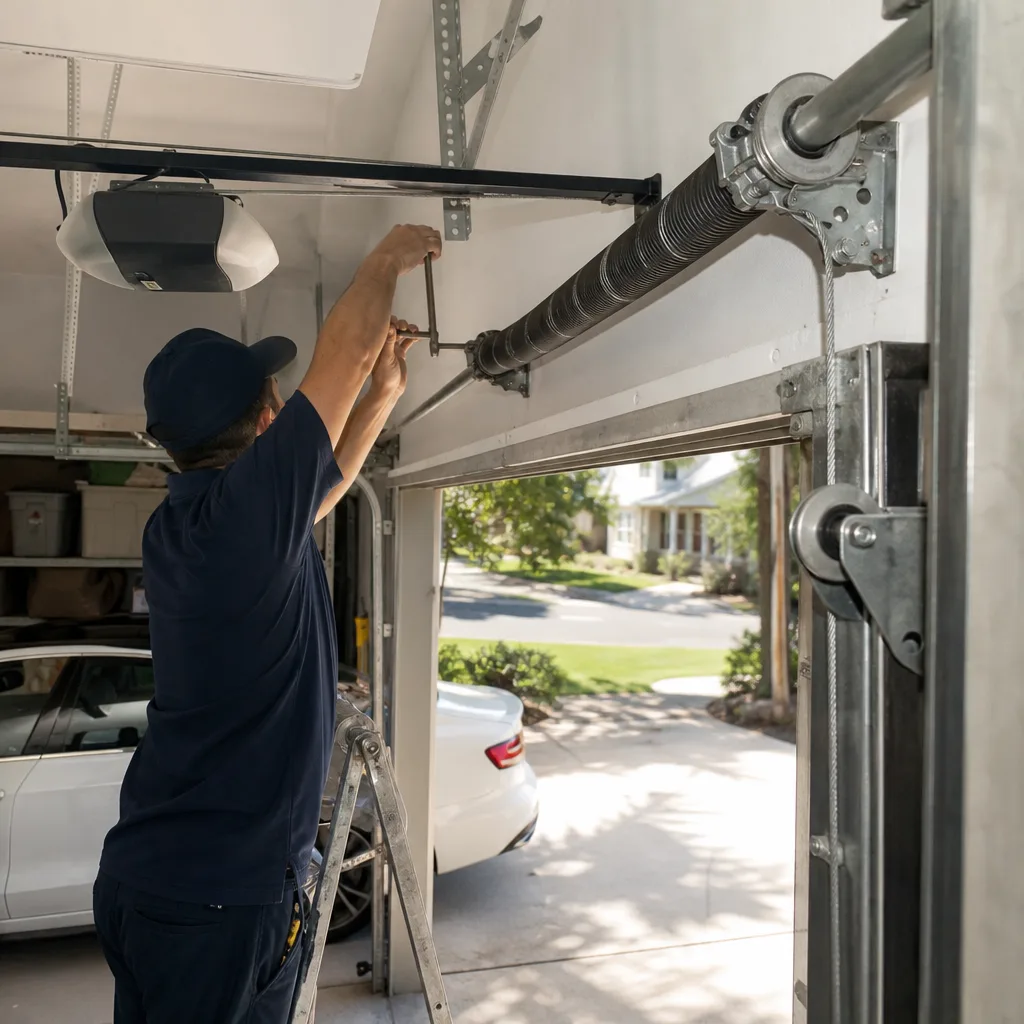
- Attempting DIY spring replacement. Torsion springs hold roughly 150 to 250 pounds of torque each. The tools required to wind and unwind them are specialized, and if the winding bar slips, the spring releases that energy instantly. We’ve seen the hospital pictures. This is the one repair where we strongly recommend a professional, which is why we offer Garage Door Repair in Loxahatchee Groves with same-week scheduling for spring failures.
- Assuming a new door doesn’t need opener compatibility checks. A new door changes the weight and balance profile of the system. An opener that worked fine for years may be underpowered for a heavier door. When homeowners buy a new door without checking opener compatibility, they often end up with an opener that strains, overheats, and dies within a year or two. Garage Door Installation in Loxahatchee Groves always includes opener compatibility assessment for this reason.
- Forgetting the door exists until it breaks. Garage doors need attention every 12 to 18 months: lubrication, balance check, bolt tightening, sensor alignment. In West Palm Beach’s salt-and-humidity environment, we recommend an annual check for homes within a mile of the Intracoastal. The doors that fail catastrophically are usually the ones that haven’t been touched since installation.
When to Call a Professional
Call when you fail the balance test, when you see a gap in a spring, when the door slams or jerks, when the opener won’t respond to diagnostics, or when any of the “stop using” signs above appear. The deciding question is simple: is this a symptom I can safely observe, or is it a failure I can’t safely fix? Door and spring systems are under heavy load and deserve respect. Opener logic systems require electrical knowledge and safety-sensor recalibration. If the door is your only access to the house or your car is trapped inside, that’s an urgent call regardless of the symptom. West Palm Beach Garage Door Co offers free estimates in West Palm Beach – call (877) 265-9120 and we’ll tell you over the phone whether the sign you’re seeing is a watch-it, a fix-it-this-week, or a stop-using-the-door situation. You can also visit our West Palm Beach Garage Door Co home page for our full service area.
Frequently Asked Questions
Your springs are going bad if the door feels heavy when you lift it manually with the opener disengaged, if it closes faster than it opens, or if it drops the last few inches onto the floor. In West Palm Beach, rust on the spring coils themselves is also a strong indicator – surface rust is normal, but pitting and flaking mean the metal is losing structural integrity. Call (877) 265-9120 for an inspection if your door fails the 60-second balance test.
A grinding noise means a roller bearing has failed and the roller is scraping along the track instead of spinning. In most West Palm Beach garages we service, this is accelerated by salt-pitted roller shafts from the humid coastal environment. It will not improve with lubrication, and continued use will wear flat spots into the track that make the repair more expensive. Book a service visit within the week.
In West Palm Beach, a single torsion spring replacement typically runs between $210 and $310, and a pair from $280 to $420, depending on door weight and cycle rating. Cable replacement adds $95 to $170. Door weight, spring wire size, and cycle rating all affect the final number, and the price is agreed before work starts. Call (877) 265-9120 and we’ll quote your exact door over the phone.
No – torsion springs are under enough tension to cause severe injury or death if the winding bar slips, and extension springs require the door to be fully supported before removal. The training and tools are the expensive part; the spring itself is relatively cheap. West Palm Beach heat and humidity also mean springs are more corroded than they look, which makes them more unpredictable during removal. We replace springs professionally and can usually do it in a single visit.
Intermittent opener operation in West Palm Beach is usually a heat-related logic board failure. The board expands in garage heat, loses connection at a solder joint or circuit trace, and the opener goes dead until temperatures drop. In some cases a failing capacitor produces the same symptom. If your opener works in the morning and dies after noon, it’s a board issue, not a remote issue. We repair LiftMaster, Chamberlain, and Genie openers and can confirm the diagnosis on site.
In West Palm Beach, we recommend an annual inspection and lubrication for homes within a mile of the coast, and every 18 months for homes further inland, as detailed in our Seasonal Garage Door Care for West Palm Beach: Year-Round Homeowner’s Guide. The salt air and humidity accelerate corrosion on springs, cables, roller shafts, and brackets, so the interval is shorter than in drier climates. A typical checkup covers spring tension, cable wear, track alignment, opener force settings, and seal condition.
The Bottom Line
Your garage door announces its failures before they happen. A slow door means weak springs. A grinding sound means failed rollers. A slamming close means a spring has already partially let go. In West Palm Beach, add rust streaking, salt-pitted rollers, and UV-damaged seals to the watch list. The 60-second balance test is your most valuable tool – perform it tonight and you’ll know exactly where your door stands. When a sign moves from “watch” to “act,” call (877) 265-9120. We’re garage door specialists, fluent in whatever brand is on your home, and we’ll give you a straight diagnosis and a fixed price before any work starts.
Written by the team at West Palm Beach Garage Door Co, serving West Palm Beach since 2013.
See the difference
 Before
 After
 Before
 After
 Before
 After