Last updated October 30, 2026
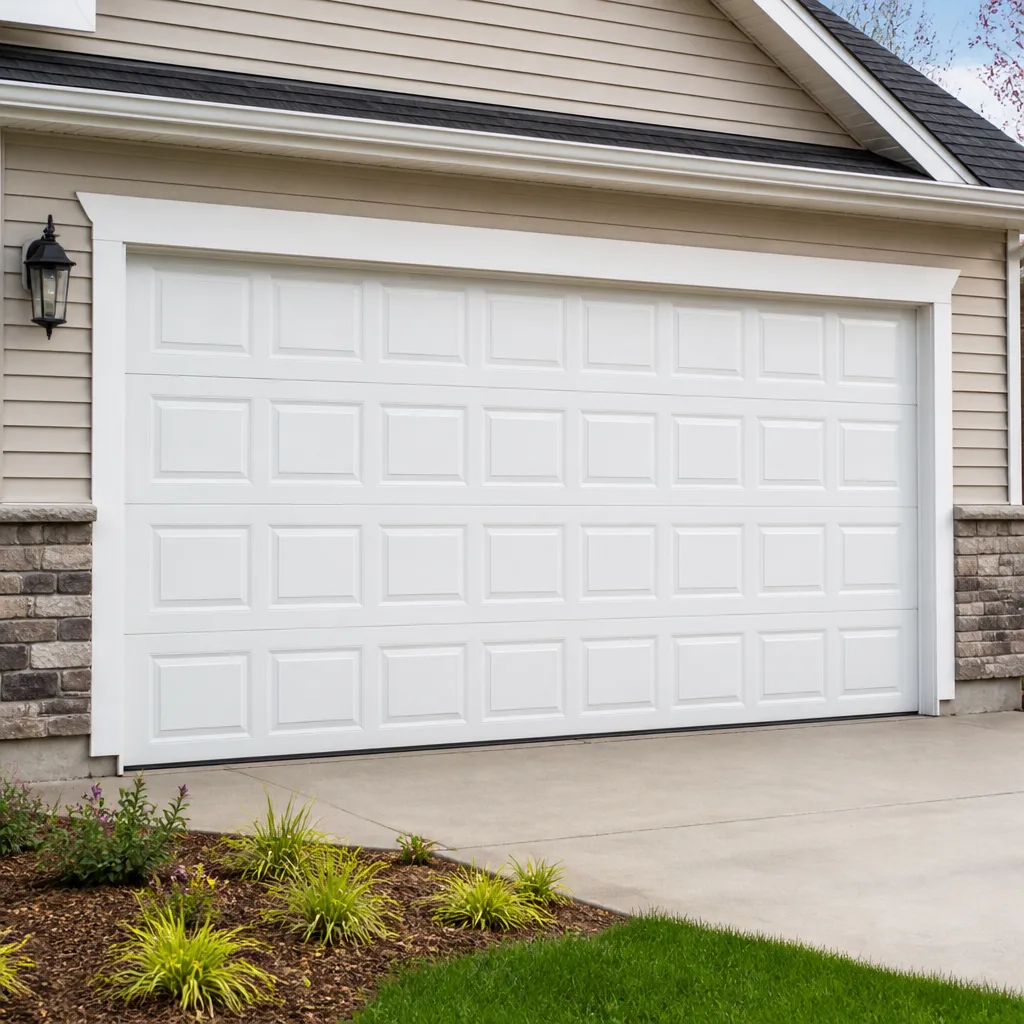 Raised-panel steel
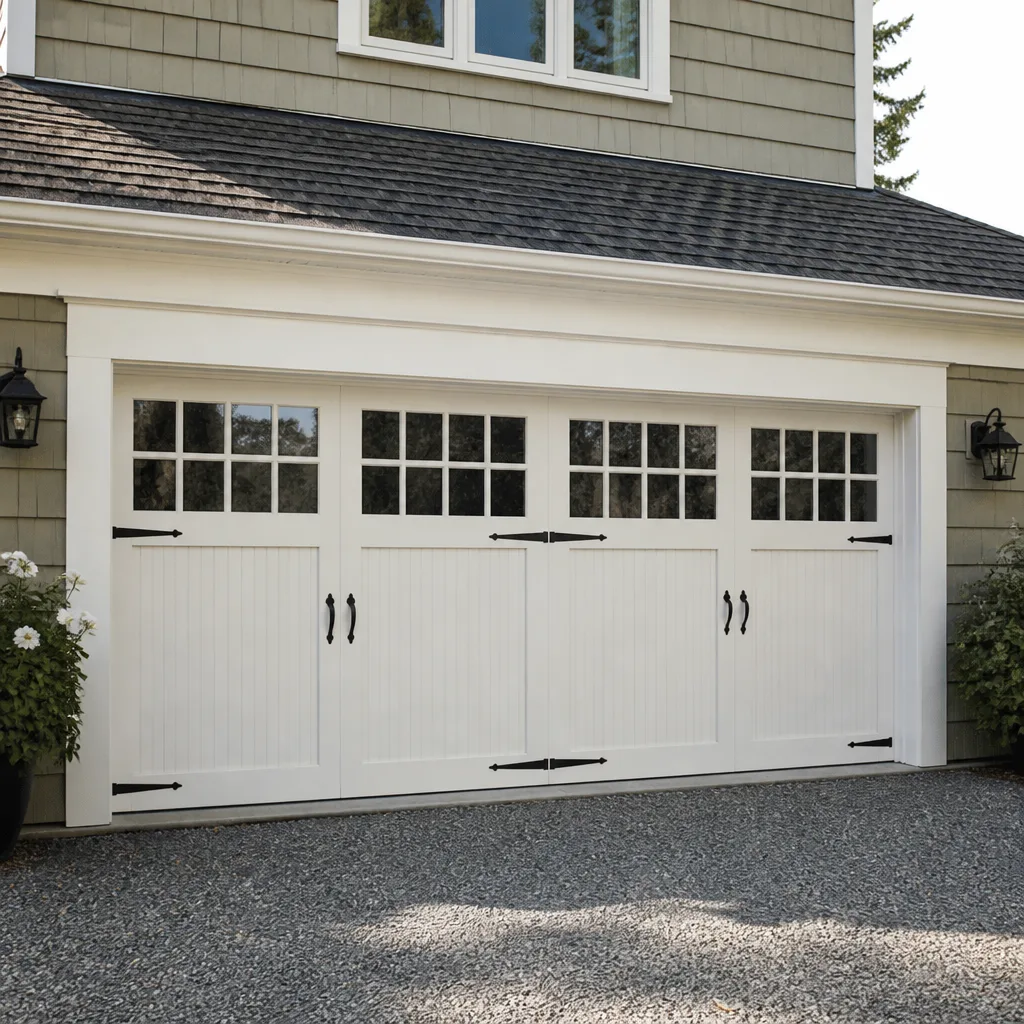 Carriage house
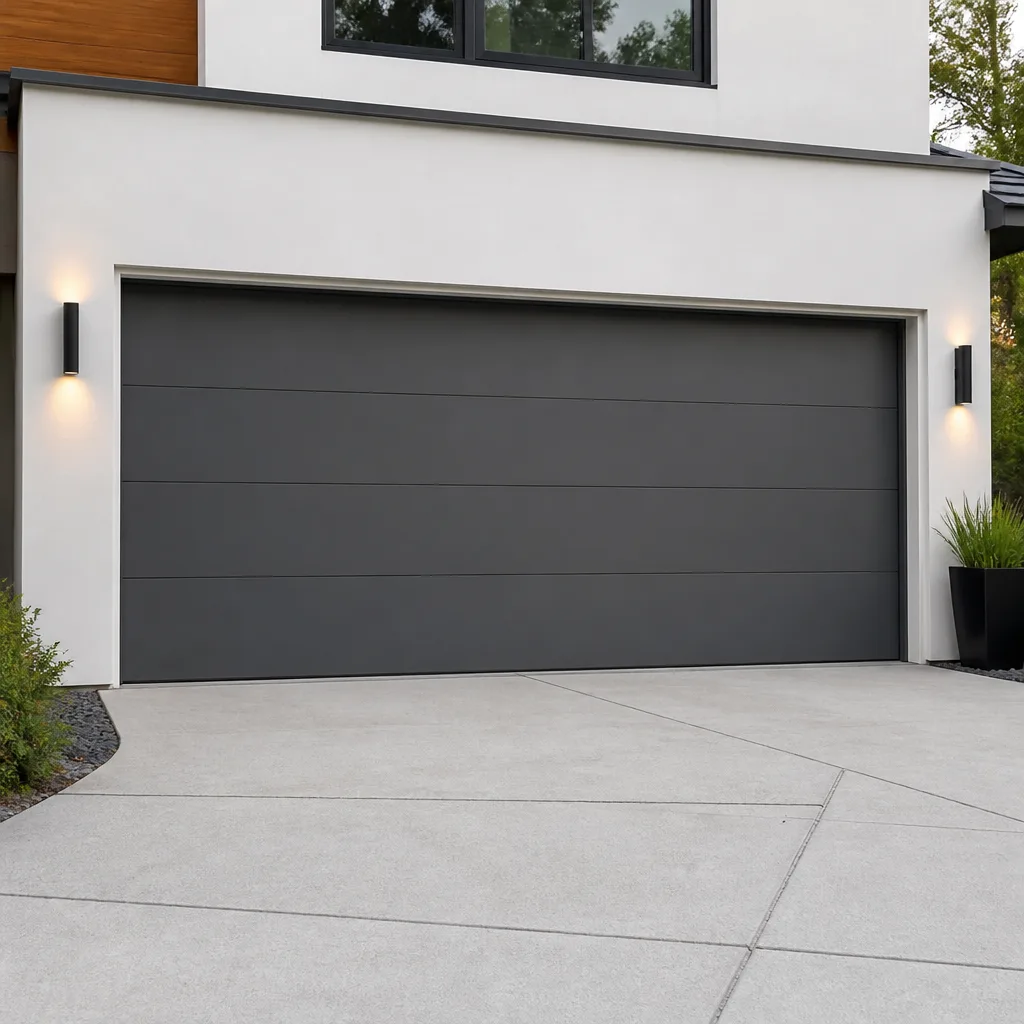 Modern flush
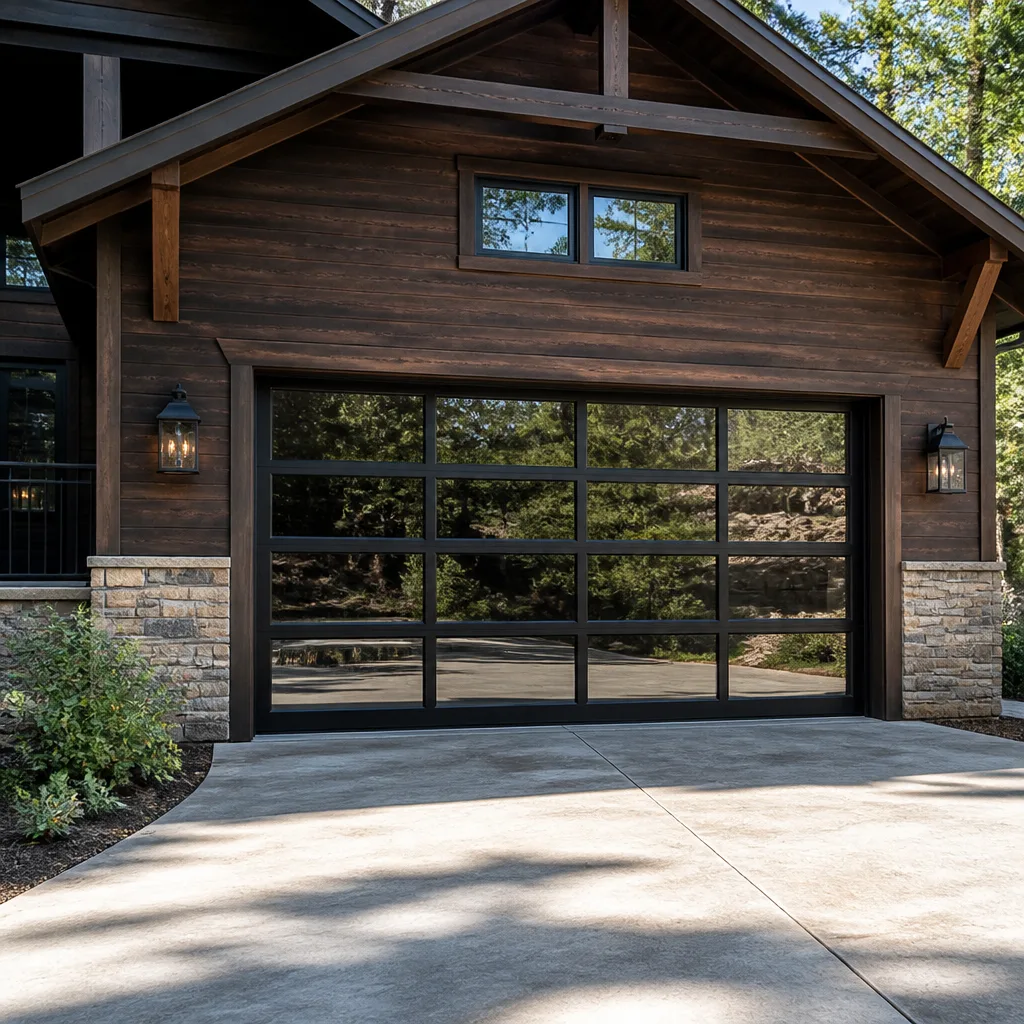 Full-view glass
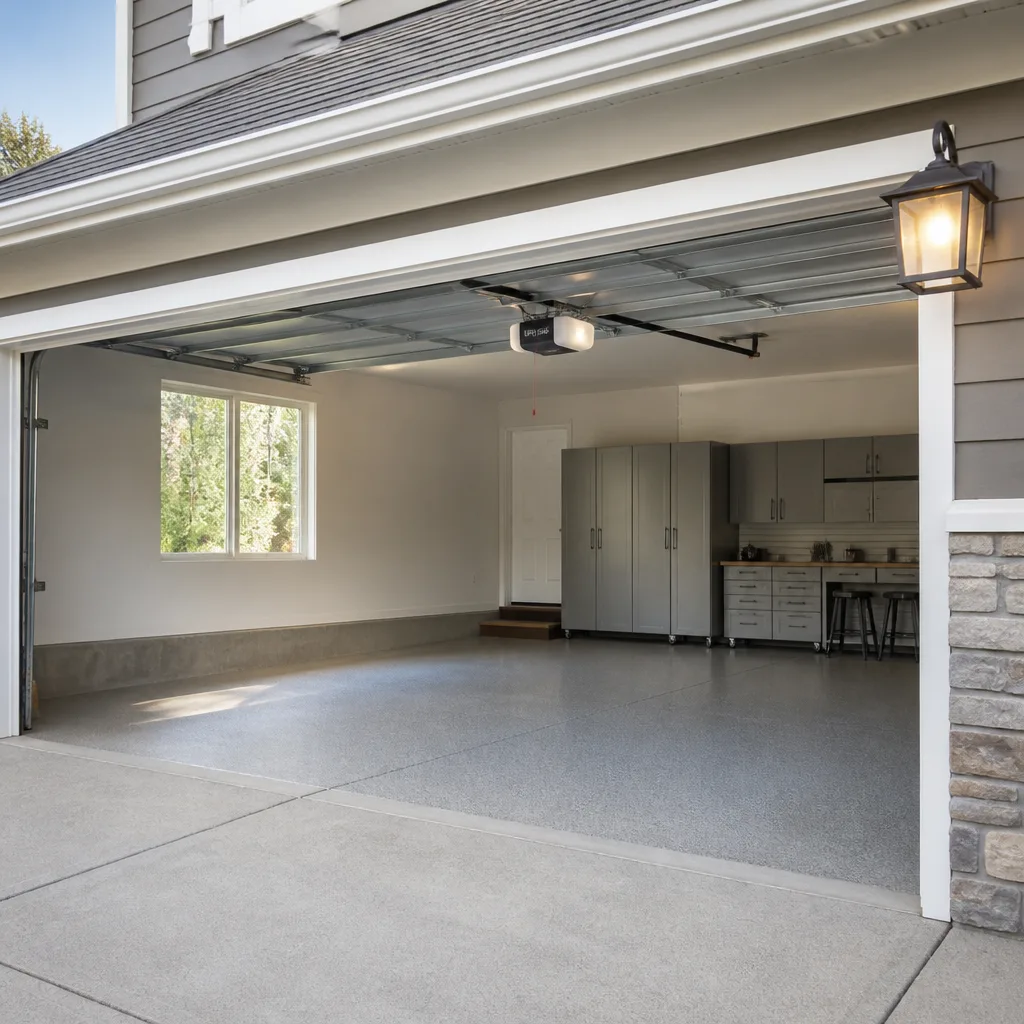 LiftMaster openers
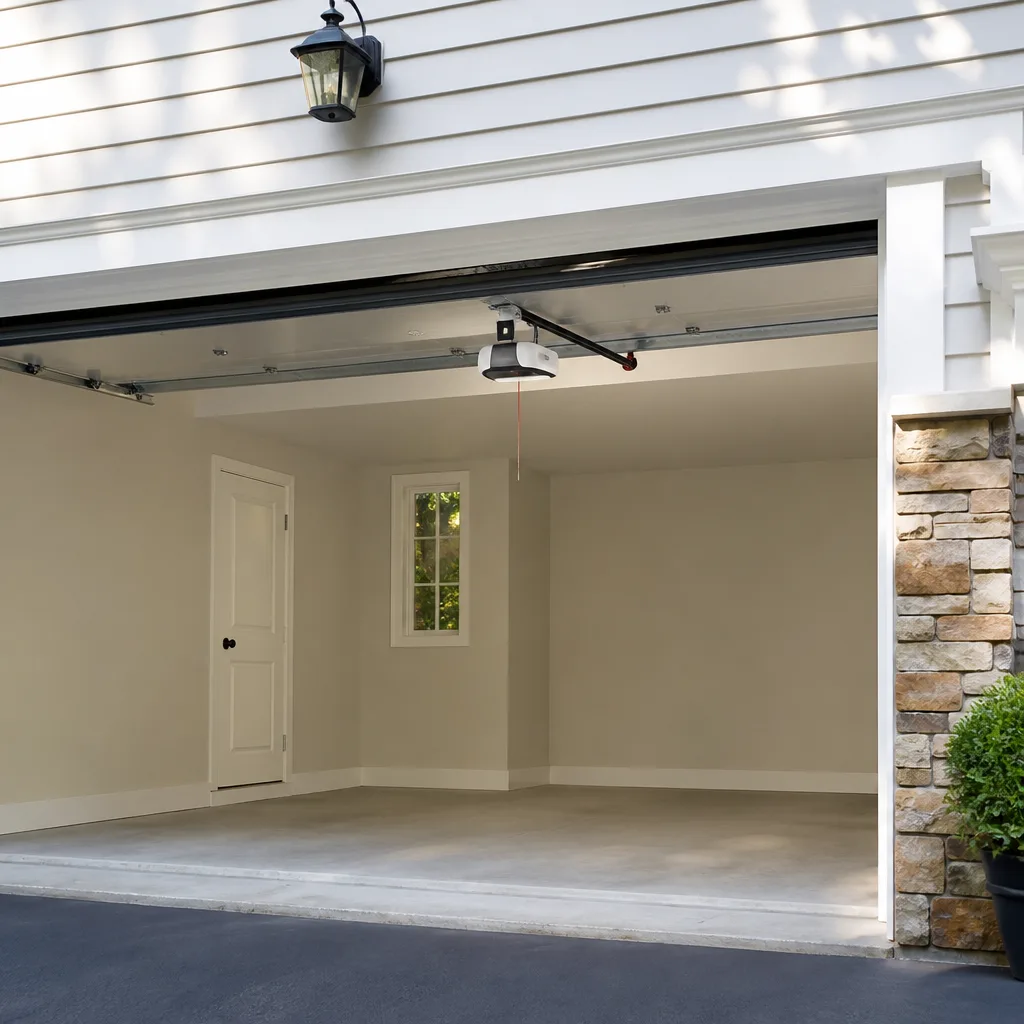 Chamberlain openers
Full 25-point door and opener safety check with every visit - springs, cables, rollers, tracks, and your LiftMaster or Chamberlain opener included
You get a price before we start. It does not change when the truck arrives.
Get your free estimateSeasonal Garage Door Care for West Palm Beach: Year-Round Homeowner’s Guide
Most seasonal garage-door advice circulating online was written for Ohio or Michigan, where “winterizing” means lubricating rollers before the first frost. That advice fails in South Florida, and nowhere more than West Palm Beach, where the punishing season is not winter at all. It’s the six-week stretch between late May and early July, when daily thermal expansion cycling, as afternoon highs climb 30-plus degrees above overnight lows, silently fatigues springs, rollers, and opener electronics. If your door is going to fail, odds are strong it happens in that window. This guide maps real maintenance to the climate phases West Palm Beach actually has: pre-hurricane prep, peak storm season, post-season recovery, and dry-season upkeep. For a deeper dive, see The Complete Guide to Garage Door in West Palm Beach.
Styles & brands we work with
Quick Answer
Garage door maintenance in West Palm Beach should follow the region’s actual climate calendar, not a generic four-season template. Pre-hurricane preparation (April through May) means reinforcing the door against wind load; peak storm season (June through September) means weekly visual checks and keeping the opener’s surge protection intact; post-season recovery (October through November) means a hardware and seal inspection; dry season (December through March) is the ideal window for seal replacement and opener maintenance. A door that gets these four checkpoints each year will typically outlast one checked only when it breaks.
Table of Contents
- The Climate Reality: Why West Palm Beach Is Different
- Pre-Hurricane Preparation (April – May): The Critical Window
- Peak Storm Season (June – September): What to Check Weekly
- Post-Season Recovery (October – November): The 48-Hour Protocol
- Dry Season Upkeep (December – March): Seal Replacement and Opener Work
- Afternoon Heat and Opener Circuit Boards: What East-Facing Doors Face
- Brand-Specific Notes: What We See on West Palm Beach Doors
- Common Mistakes to Avoid
- When to Call a Professional
- Frequently Asked Questions
- The Bottom Line
The Climate Reality: Why West Palm Beach Is Different
West Palm Beach does not have four seasons. It has three functional periods and one long stress test. Understanding them is the foundation of any maintenance plan that actually works here.
From December through March, the dry season brings lower humidity, cooler nights, and some of the most pleasant weather in the country. It’s also when rubber and vinyl components dry out faster than people expect. From April through May, temperatures climb and the first thunderstorm cells form, creating a pre-hurricane window that is the single best time for structural reinforcement. From June through September, peak storm season arrives, with daily thermal cycling, heavy rain, and the risk of named storms. October and November form a recovery and preparation shoulder period before the dry season returns.
What most guides miss is that the garage door is the single most common entry point for wind damage in a residential structure. When a garage door fails under hurricane-force wind, the pressure differential can lift the roof. That is not hyperbole; it is the stated reason Florida building code treats garage doors as structural components rather than accessories. In West Palm Beach, where the 2020s have brought repeated close calls and a couple of direct hits, the door is not a convenience item. It is part of the home’s wind envelope.
Thermal expansion is the other underappreciated factor. Steel doors, steel springs, and steel tracks all expand and contract at slightly different rates. Aluminum expands roughly twice as much as steel for the same temperature change. A door that runs perfectly at 7 a.m. can bind slightly at 2 p.m., and that binding places uneven load on springs and hinges. Over the course of a single West Palm Beach summer, that daily cycle repeats more than 120 times. That is the equivalent of 120 small fatigue cycles per component, every year.
Pre-Hurricane Preparation (April – May): The Critical Window
The weeks from early April to late May are the most important maintenance period of the year for West Palm Beach homeowners. This is when you have enough dry weather to work, enough lead time to order parts, and enough warning to fix structural weaknesses before the season that matters arrives. Waiting until June to think about hurricane prep is a mistake we see every year, and by then, parts suppliers are backed up and service schedules are full.
Here is a practical pre-hurricane checklist for the garage door, ordered by priority:
- Inspect all hinges, brackets, and track bolts for rust or looseness. Salt air from the Intracoastal and Atlantic accelerates corrosion on hardware within a few miles of the water. A loose track bracket under negative pressure is a failure point. Tighten everything you can reach with a socket wrench.
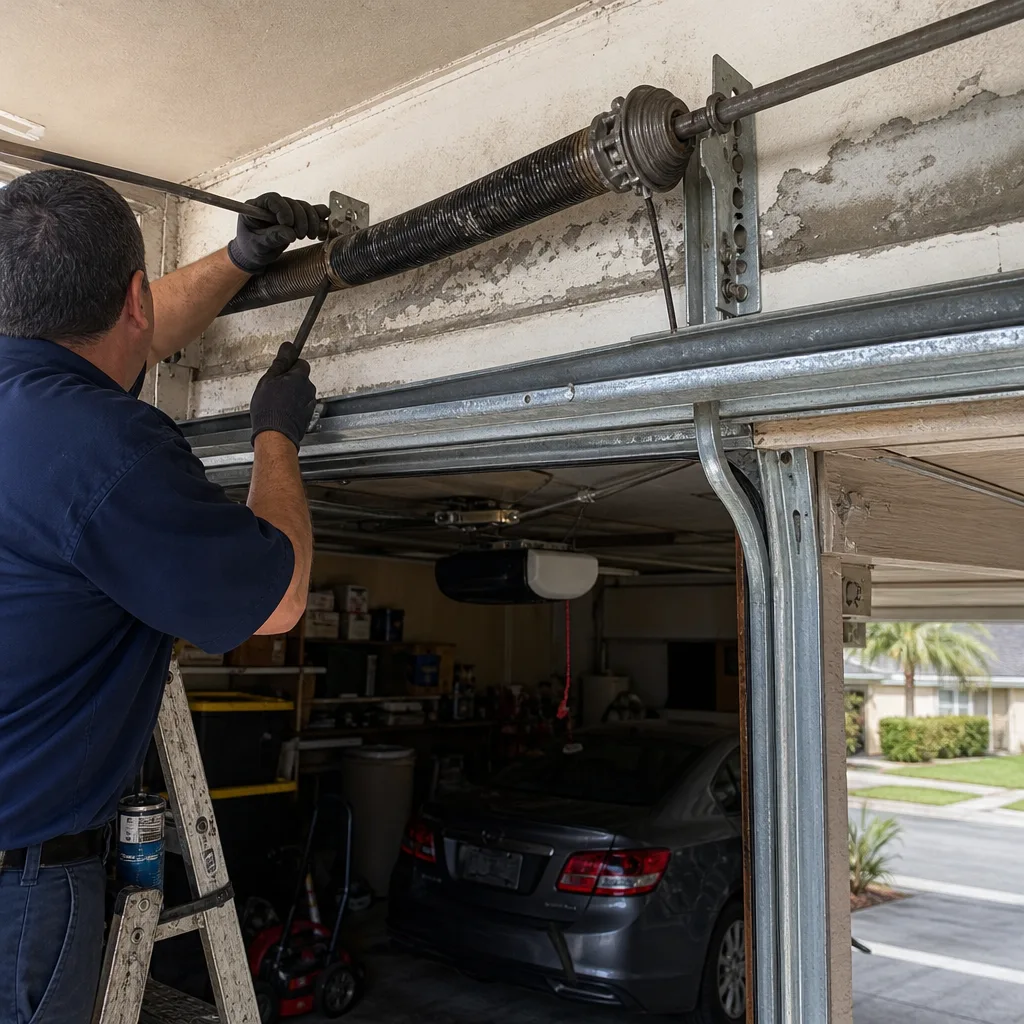
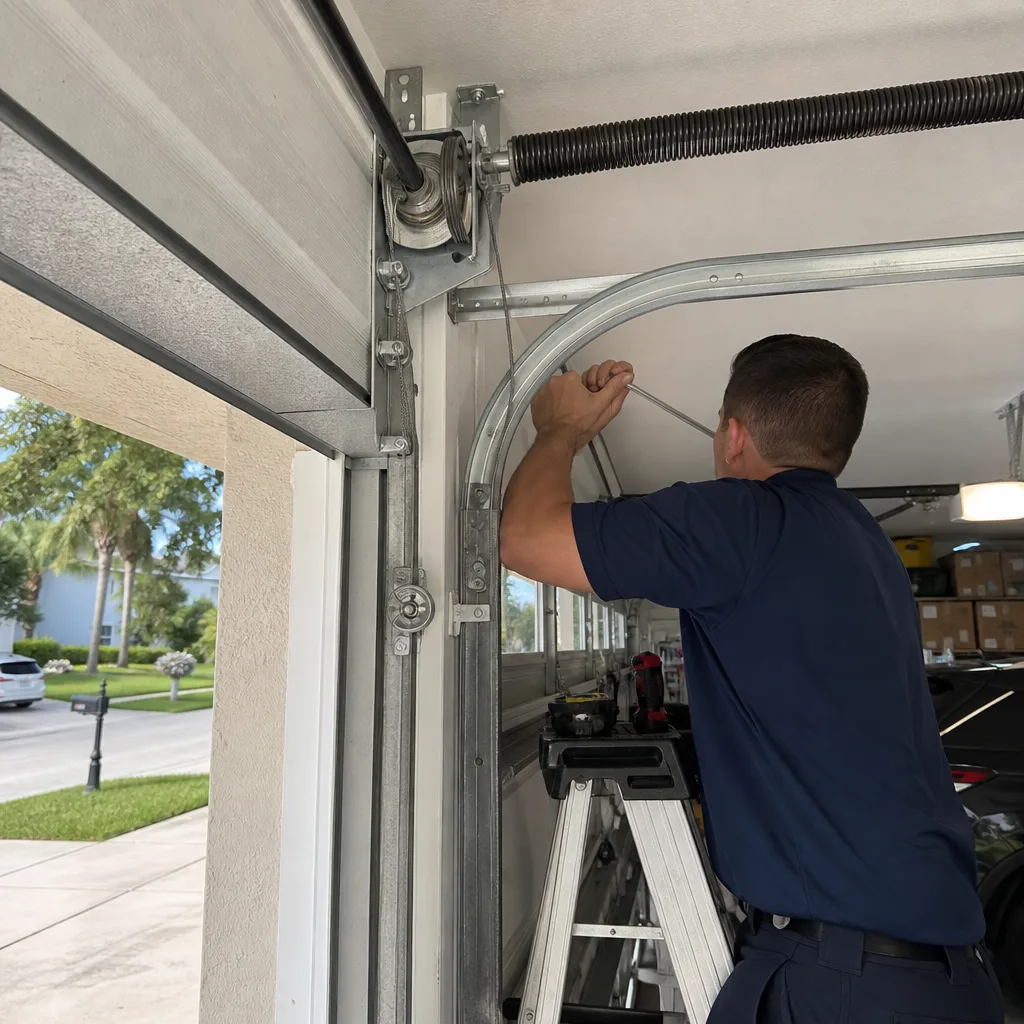
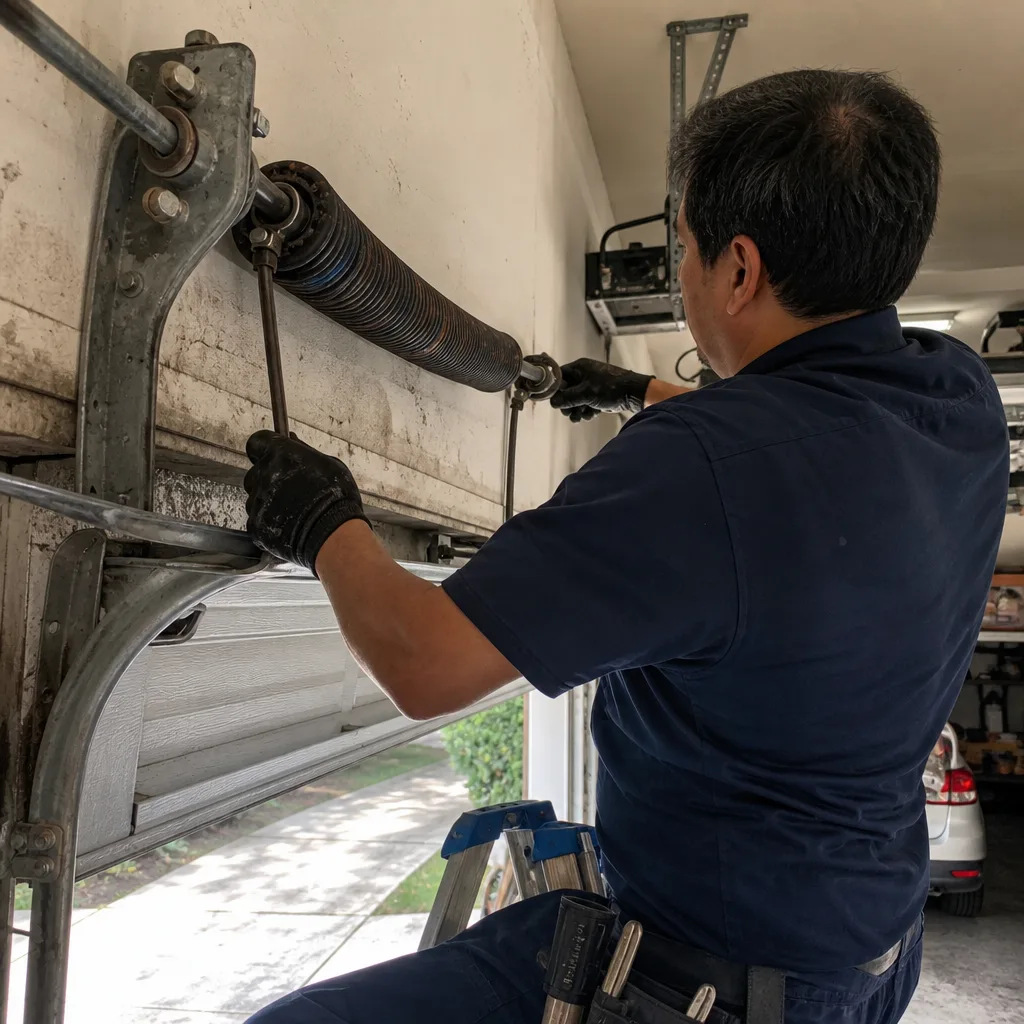
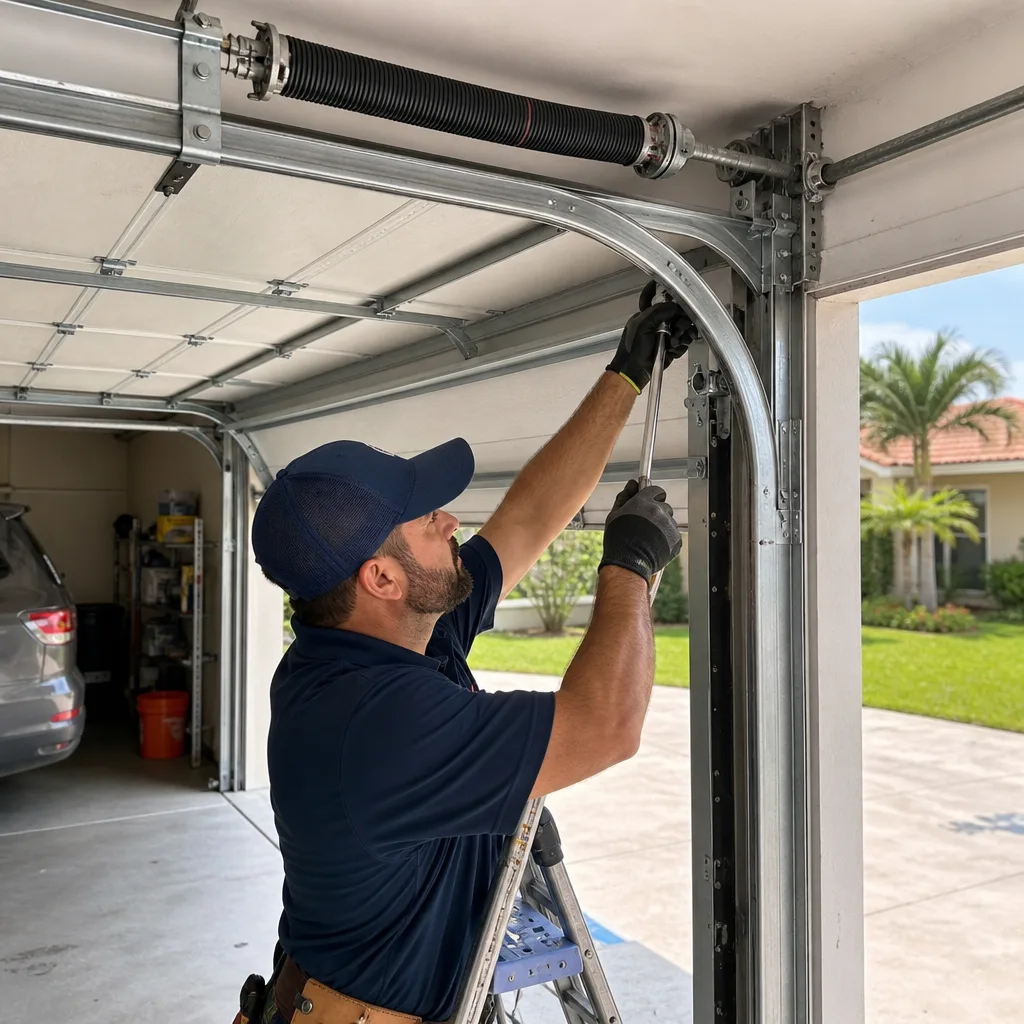
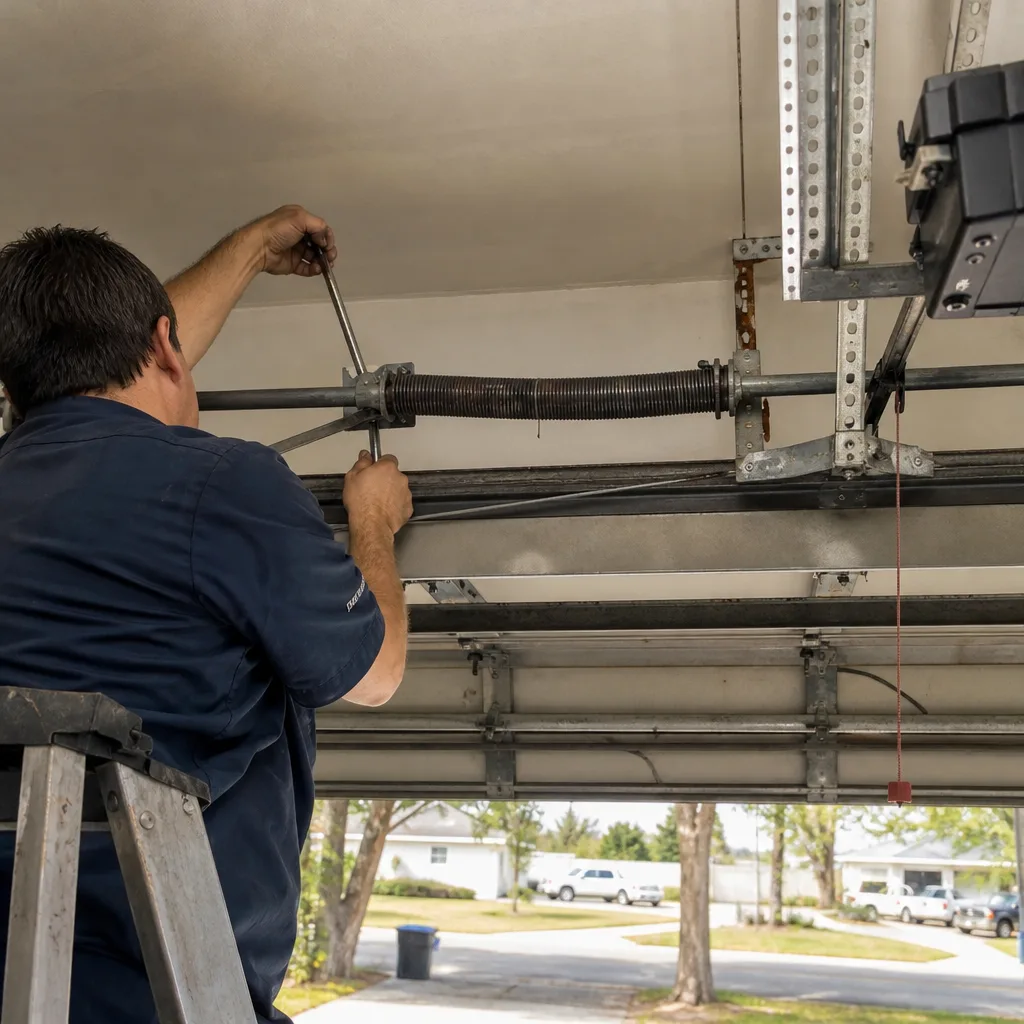
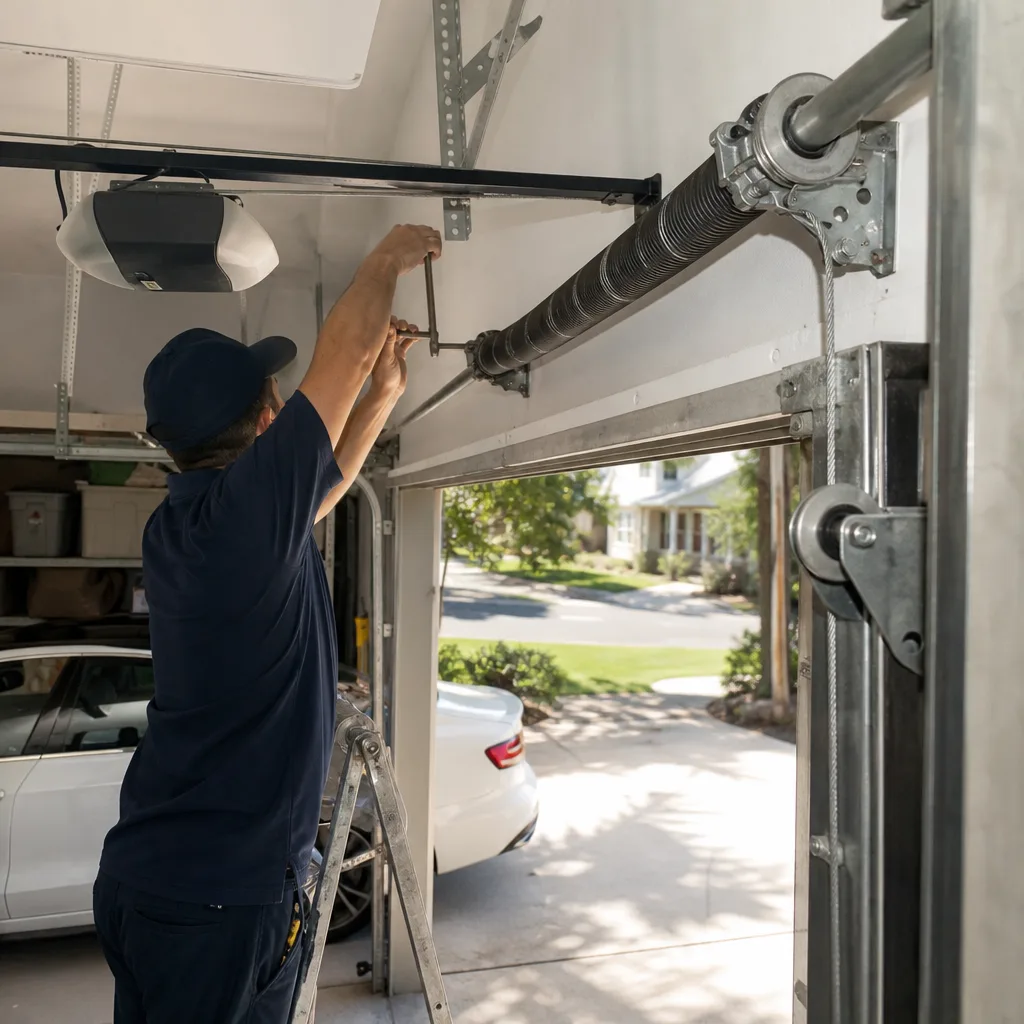
- Check the spring system. Look for gaps in torsion spring coils or stretch in extension springs. If a spring shows visible deformation, do not touch it. Have it replaced before storm season. High-tension springs carry enough stored energy to cause serious injury, so leave this to a professional.
- Test the door balance. Disconnect the opener with the release cord and lift the door manually. It should hold position at roughly waist height. If it falls, the springs are worn. If it rises, the springs are over-tensioned. Either condition stresses the opener during normal operation.
- Examine the bottom seal and weatherstripping. Driving rain at 60 mph finds every gap. A torn bottom seal lets water into the garage and, more importantly, lets wind pressure build inside the space.
- Verify the opener’s force settings. A properly adjusted opener should reverse when it hits a 2×4 laid flat on the floor. If it does not, the force limit is set too high and the door is a hazard to children, pets, and itself.
- Check the emergency release cord. If you need to manually open the door during a power outage, this cord must be reachable and functional. Spray the release mechanism with a dry lubricant.
- Consider a wind-load-rated door if yours is original to a home built before the 2001 Florida Building Code update. Older doors in West Palm Beach neighborhoods like Flamingo Park, Southland Park, and Northwood Hills often lack the bracing and reinforcement required by current code. Replacement is a larger investment, but it is the single most effective upgrade you can make to the home’s storm performance.
One note on timing: the pre-hurricane window is also when we recommend servicing openers, because a door that works manually is still useless to a family returning home in the rain if the opener is dead. The same visit can cover both systems, which is the advantage of working with a garage door specialist rather than a general contractor. If you are part of a homeowners association in a gated community in West Palm Beach, check whether your HOA has any pre-storm inspection requirements before scheduling work.
For homeowners in the western communities, the same principles apply with even more urgency. Residents in the Acreage or Loxahatchee Groves face more open exposure to wind than coastal neighborhoods, and for anyone needing garage door repair in Loxahatchee Groves, the pre-hurricane window is equally critical.
Peak Storm Season (June – September): What to Check Weekly
From June through September, West Palm Beach runs a daily thermal gauntlet. Overnight lows sit in the mid-70s; afternoon highs push into the low 90s. A dark-colored steel door facing west can reach surface temperatures above 140 degrees. Then a thunderstorm rolls through at 4 p.m., the temperature drops 15 degrees in 20 minutes, and every metal component contracts sharply. Multiply that cycle by 120 days and you understand why summer is when springs snap, rollers flatten, and opener circuit boards fail.
Weekly checks during storm season do not need to be elaborate. They need to be consistent. Here is what to look for, taking five minutes:
- Listen for new noises. A grinding sound that was not there last week usually means a roller bearing has failed or a hinge is binding. A sharp bang when the door opens usually means a spring is about to go.
- Watch the door’s movement. It should move smoothly, without hesitation at any point in the cycle. A door that shudders or pauses is telling you something is misaligned.
- Check the opener’s response time. If the opener is slow to respond to the wall button or remote, or if it reverses for no reason, you may have heat-related logic board issues beginning.
- Look for moisture intrusion. After any heavy rain, check the interior side of the door and the opener housing for water. Moisture that reaches the opener’s circuit board is a leading cause of opener failure we see in West Palm Beach homes.
- Confirm the auto-reverse sensors are clean and aligned. Heavy rain pushes dirt and debris onto sensor lenses. A blocked sensor prevents the door from closing, which is the most common non-emergency call we get during summer.
If a named storm is forecast for the area, take these additional steps:
- Do a full cycle test of the door the day before the storm arrives. Open it fully, close it fully, and watch for anything irregular.
- Remove loose items in the garage that could become airborne projectiles if the door fails.
- Check that the emergency release cord functions and that you know how to operate it in the dark.
- If you have a generator, verify the opener’s plug type matches the generator outlet before you need it.
- Photograph the door, tracks, and opener with your phone. Post-storm insurance claims are easier with a pre-storm baseline.
We have also seen a pattern worth mentioning: the first thunderstorm of the season causes a spike in calls from owners of doors that have not been opened manually in months. The humidity change causes interior surfaces to swell slightly, and a door that was marginally operational reveals itself. If your door sticks on the first storm day, it was a problem waiting for rain. That is a sign the pre-hurricane checklist was skipped.
Post-Season Recovery (October – November): The 48-Hour Protocol
After a named storm passes, homeowners in West Palm Beach typically inspect their roofs, windows, and landscaping. The garage door is frequently forgotten. That is a mistake, because damage to the door or opener after a storm often creates a slow leak or an electrical hazard that does not become obvious until the next rain event.
Here is what to do within 48 hours after any named storm, or after any severe thunderstorm with wind over 50 mph:
- Run a full cycle test. Open and close the door completely, watching the track, rollers, cables, and springs. Look for anything that was not there before the storm: a bow in a panel, a track that has shifted, a cable that sits differently on the drum.
- Check the vertical tracks for alignment. Use a level if you have one. A track that is even slightly out of parallel will bind the door and burn out the opener motor over the following weeks.
- Inspect the panels from both sides. Wind-driven debris can dent panels, and dents in the wrong location compromise the panel’s structural role. A dent near the panel’s vertical stile is more serious than one in the center of a section.
- Test the opener’s force settings and auto-reverse. After a storm, obstructions and alignment shifts can make the door harder to move. If the opener has not been adjusted, it may now be working too hard or not reversing when it should.
- Look for water lines inside the garage. If water entered under the bottom seal, note how high it rose. Repeated intrusions of more than an inch suggest the seal, the concrete threshold, or the door’s bottom section needs attention before the next storm.
- Check for debris in the tracks and on the opener rail. Leaves, small branches, and wind-blown grit find their way into tracks during storms. Remove debris and lightly lubricate the rollers and hinges with a silicone-based spray.
If you find any of the following, do not operate the door and call a professional: a broken spring, a cable that is off its drum, a track that has separated from the wall, or a panel that is visibly bowed more than half an inch. Continuing to run a door in any of those conditions can cause a cascade failure that turns a small repair into a full replacement. Homeowners in and around West Palm Beach can also reference the West Palm Beach Garage Door Co home page for the full scope of what a specialist can address in one visit.
Those in the western communities should also note that post-storm damage is often more severe in open, exposed areas. If the storm passes and your door is not operating correctly, seek out garage door opener repair in Loxahatchee Groves rather than continuing to force the system, as a misaligned door will rapidly destroy a functioning opener.
Dry Season Upkeep (December – March): Seal Replacement and Opener Work
The dry season in West Palm Beach, running roughly from December through March, is the least glamorous maintenance period and, in some ways, the most productive. The lower humidity and milder temperatures mean rubber and vinyl components lose moisture faster than they do during the humid summer. That is why seal cracking is a dry-season problem in West Palm Beach, not a winter problem.
Bottom seals, side seals, and top seals on garage doors in this area are typically made of PVC or rubber compounds blended for UV resistance. However, the combination of dry air and intense winter sun, a real factor in South Florida where winter is far sunnier than summer, degrades those materials at the surface. By February, we see seals that crack when flexed. By April, when the first heavy rains begin, those cracks are entry points for water.
The dry season is the right time for these tasks:
- Replace the bottom seal. This is a low-cost part and a 20-minute job for a professional. A fresh seal before the rainy season prevents water intrusion, reduces insect access, and lowers the dust and pollen load in the garage.
- Lubricate rollers, hinges, springs, and bearing plates. Use a dedicated garage-door lubricant, not WD-40. Lubrication in the dry season, before the humid months, is when it penetrates best.
- Service the opener. The dry season is the best time for opener maintenance: gear inspection, chain or belt tension adjustment, force setting verification, and sensor cleaning. If your opener is a Chamberlain, LiftMaster, or Genie, this is also a good time to verify that the unit’s safety features are functioning.
- Repaint or touch up exposed steel surfaces. The dry season offers the right conditions for paint to cure properly. Put a coat of rust-inhibiting paint on any surface rust before the wet season accelerates it.
- Verify the door’s balance. Even if the door worked fine all summer, the dry season’s clearer weather is the right time to run a balance test and catch spring wear before storm season.
- Check the opener’s battery backup. If your opener has a battery backup, the dry season is a good time to test it. Batteries degrade with age and heat, and a battery that died last September will be useless when the first summer storm knocks out power.
One more dry-season consideration: many West Palm Beach residents leave for extended periods during these months, and a garage door that sits unused for three to four weeks can develop flat spots on nylon rollers or stiffness in hinges that have lost lubrication. If you are leaving for a month, run the door through a full cycle before you leave and again on your return. It is a small thing that catches problems early.
Afternoon Heat and Opener Circuit Boards: What East-Facing Doors Face
Every West Palm Beach home has a side of the house that absorbs the worst of the day’s heat. For garage doors, the worst position is east-facing with no shade, because the door and the opener take direct sun from mid-morning through early afternoon, when ambient temperatures are already high, and then sit in still-warm air through the afternoon. A west-facing door gets sun late in the day, but it cools faster after sunset. The east-facing door, particularly one with a dark color, holds heat longer into the evening.
The component most vulnerable to sustained heat is the opener’s logic board, the circuit board that interprets signals from wall buttons, remotes, and safety sensors. Logic boards on residential openers are designed to operate within a temperature range that is often exceeded in enclosed West Palm Beach garages during summer afternoons. When a logic board overheats, the opener may behave erratically: refusing to respond to remotes, reversing mid-cycle, or opening but not closing.
If your garage door faces east and gets direct afternoon sun, here is what we recommend:
- Ventilate the garage. Even passive ventilation, a vent in the garage door for air intake and a vent near the ceiling for exhaust, can lower interior temperatures by 10 to 15 degrees. That is often the difference between a stable opener and a failing one.
- Consider a lighter door color if you are planning a replacement. A white or light-beige door reflects far more heat than a charcoal or deep brown one, reducing both the interior temperature and the thermal cycling stress on the door itself.
- Check the opener’s ventilation openings. The opener’s housing has vents for a reason. Do not block them, and make sure they are clear of dust and insect nests. A blocked vent turns the opener housing into an oven.
- If the opener is flush against a wall or ceiling, improve airflow around it. Openers mounted in tight spaces run hotter. A small amount of clearance makes a measurable difference.
- Upgrade to a DC-powered opener with a heat-rated motor. DC openers run cooler than older AC models, and some are designed specifically for high-heat climates. If your current opener is more than 10 years old and failing in summer, replacement with a modern unit often solves the problem permanently.
We have also seen opener logic boards fail in pairs: the wall button works, the remote does not, and the homeowner assumes the remote is the problem. In many cases, the issue is heat-related degradation on the board’s receiver circuit, and replacing the remote does nothing. That is why an opener-specific diagnostic matters. A generalist handyman may swap parts until something works; a garage-door opener specialist tests the board’s inputs before ordering parts.
Brand-Specific Notes: What We See on West Palm Beach Doors
West Palm Beach has one of the most mixed residential door inventories in Florida. Homes built in the 1970s through 1990s often carry Wayne Dalton or Raynor doors, sometimes original. Newer communities and custom homes lean toward Amarr or Clopay. Opener brands are similarly mixed, with Craftsman models from the Sears era still running in many older homes. Whatever brand is on your garage, we know it.
The practical implication of that mixed inventory is that no two service calls are the same. A Wayne Dalton door from 1987 uses a different track profile than a current Amarr door, and parts are not always interchangeable. A Craftsman opener manufactured for Sears in 1999 uses a different logic board than a current Chamberlain, even though Chamberlain manufactured many Craftsman openers under contract. The brand matters because the parts and the failure patterns are brand-specific.
In our experience serving West Palm Beach, these are the patterns we see most often:
- Raynor doors from the 1990s tend to hold their panel finish well, but their older spring systems are now reaching end of life. If your Raynor door is original to a home built in the Clinton administration, the springs are due for replacement.
- Wayne Dalton doors using the TorqueMaster spring system present a specific maintenance challenge: the spring is enclosed in a tube, making visual inspection impossible. Homeowners with Wayne Dalton doors often do not know their springs are failing until the door stops working. If your house has a Wayne Dalton door and you do not know which spring system it uses, have it checked.
- Amarr doors are common in newer West Palm Beach subdivisions, and their hardware is generally well-built, but the nylon rollers on some Amarr models wear faster in our sandy environment than in drier regions.
- Craftsman openers from the 1990s and 2000s often outlast their remotes and wall buttons. The motors keep running, but the accessories wear out, and some homeowners do not realize current universal remotes work with most Craftsman openers from that era.
The takeaway is not that one brand is better than another; it is that each brand requires specific knowledge to diagnose and repair correctly. A specialist who works on all of them, rather than pushing a proprietary replacement, is the practical choice for a homeowner in West Palm Beach. Garage doors are all we do, and from the panels to the opener, we cover the whole system.
Common Mistakes to Avoid
- Skipping the pre-hurricane checklist because “it hasn’t hit us yet.” West Palm Beach has been spared direct hits in some recent seasons, but that luck does not protect a door against wind and rain from a storm 200 miles offshore. A door that fails during a tropical storm is still a failed door.
- Using WD-40 on the door’s moving parts. WD-40 is a solvent and water displacer, not a long-term lubricant. It actually strips away the grease in rollers and hinges. Use a dedicated garage-door lubricant on rollers, hinges, and springs.
- Trying to replace a torsion spring yourself. High-tension springs store an enormous amount of energy, and a slip can cause severe injury. This is the one repair where we will always recommend a professional, without exception. The cost of a service call is trivial compared to the risk.
- Ignoring a slow or noisy opener because “it still works.” Openers do not fail without warning. A change in sound or response speed is the warning. By the time the opener refuses to open, the repair is almost always more expensive than it would have been at the first sign of trouble.
- Replacing the door but keeping a 15-year-old opener. A heavier, better-insulated door places more load on an old opener. Pairing a new door with an old opener is a false economy. If you are replacing the door on a West Palm Beach home, plan for opener replacement at the same time unless the opener is recent and in good condition.
- Assuming the garage door is not part of the home’s wind-envelope. It is. In West Palm Beach homes built after 2001, the garage door is load-rated for wind. In homes built before that, an unrated door is one of the weakest points in the structure during a hurricane.
- Waiting until the first storm warning to schedule service. The moment a named storm enters the Atlantic, local service schedules fill within 48 hours. The homeowner who waits until a watch is issued is most likely to be the one storing the car outside during the storm.
When to Call a Professional
Some garage door work is routine homeowner maintenance: lubricating hinges, cleaning sensors, tightening visible bolts, checking the balance. Other work carries injury risk or requires specialized knowledge. Broken springs, cables off drums, bent tracks, and opener logic board failures all fall into the professional-only category.
Call a professional if your door’s spring breaks, if a cable is frayed or off its drum, if the track is bent or pulling from the wall, if the opener behaves erratically, or if you have a Wayne Dalton TorqueMaster system with an internal spring you cannot visually inspect. West Palm Beach Garage Door Co offers free estimates in West Palm Beach. Call (877) 265-9120 to schedule service, and we will provide a written quote before any work begins.
Frequently Asked Questions
You should perform a light maintenance check every 90 days in West Palm Beach, with heavier checks before storm season (April through May) and after any named storm. Light maintenance includes lubrication, visual inspection, and a balance test; heavier maintenance includes seal replacement, opener diagnostics, and structural checks.
The most common problem we see in West Palm Beach during summer is opener failure caused by heat stress on the logic board, followed closely by spring failure from thermal cycling. Both are preventable with earlier maintenance, and both are more common on east-facing doors in full sun.
If your home was built to post-2001 Florida Building Code, the door should already meet wind-load requirements. If the door is original to an older home, it may not, and in that case a wind-rated replacement is genuinely protective, not cosmetic. West Palm Beach code requires any new door to meet current wind standards.
Most torsion springs are rated for 10,000 cycles, which in a typical West Palm Beach home equates to 8 to 12 years of use if the door is opened twice daily. However, springs in coastal West Palm Beach neighborhoods with heavy salt exposure, or in homes with unbalanced doors, may fail at 5 to 7 years. Schedule a spring inspection during the dry season if the door is in that range.
Yes, in most cases, as long as the call is made before a named storm is imminent. During the 48 hours before a storm makes landfall, schedules fill rapidly. Call (877) 265-9120 as soon as you notice a problem, and we will work to get the door operational the same visit.
A bottom seal replacement typically costs between $120 and $220 in West Palm Beach, including the part and labor. If the bottom section of the door itself is damaged or rusted, the cost may be higher. Call (877) 265-9120 for an exact quote, estimates are always free.
If you are considering a full door replacement during the dry season, the process is measured and scheduled, not same-day. We provide a free measure and written price. For homeowners in the western reaches of Palm Beach County, our garage door installation in Loxahatchee Groves page outlines the replacement process and what to expect from a specialist team.
The Bottom Line
West Palm Beach’s climate does not reward homeowners who follow generic seasonal advice. The garage door here lives through daily thermal expansion cycles, months of high humidity, sudden tropical downpours, and the annual threat of named storms. The maintenance calendar that fits this region is specific: inspect and reinforce in April and May, watch and test weekly during summer, inspect within 48 hours after storms, and use the dry season for seals, lubrication, and opener service. A door that follows that calendar will last longer and fail less often. When something does need repair, whether it is a broken spring, a heat-stressed opener, or a full replacement, a specialist who works on all major brands and covers the whole system is the fastest path back to a working door. For more guides & resources, visit our blog. Call (877) 265-9120 for a free estimate.
Written by the team at West Palm Beach Garage Door Co, serving West Palm Beach since 2013.
See the difference
 Before
 After
 Before
 After
 Before
 After