Last updated October 30, 2026
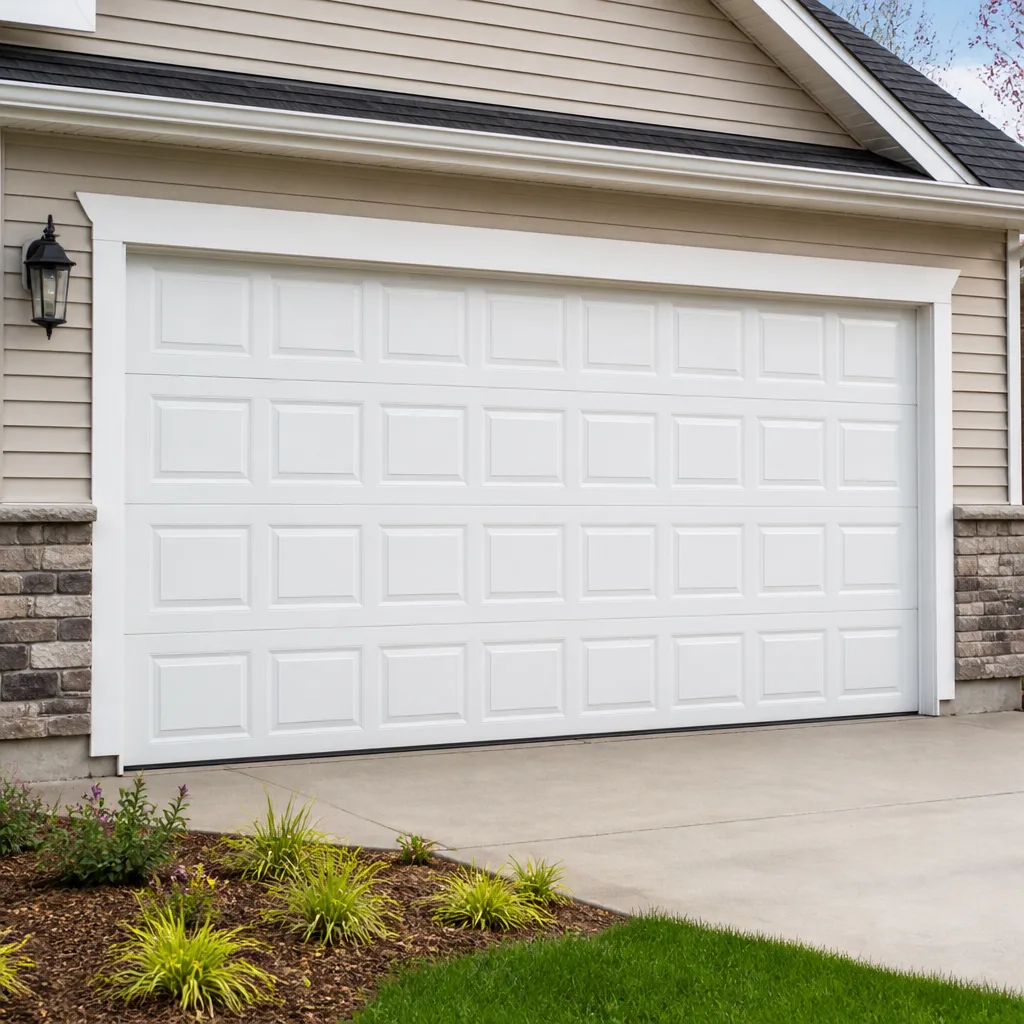 Raised-panel steel
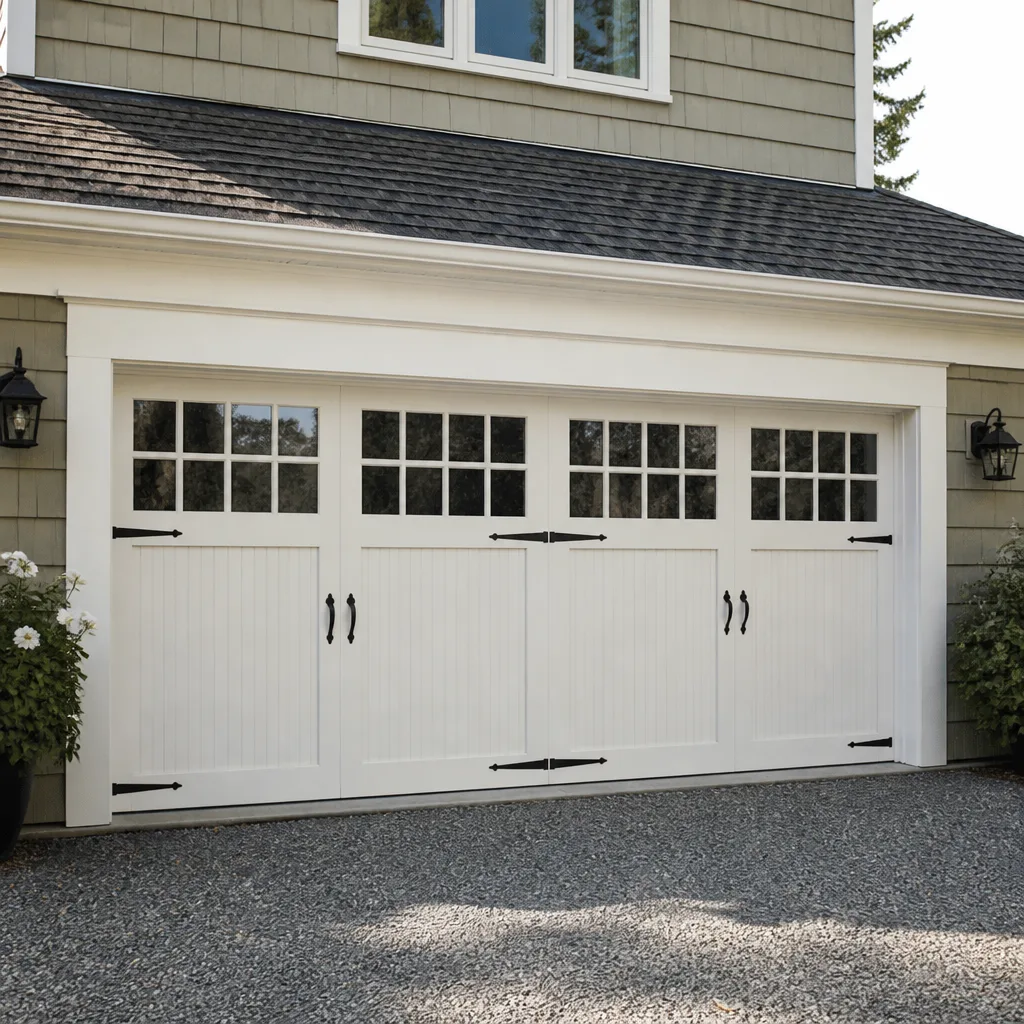 Carriage house
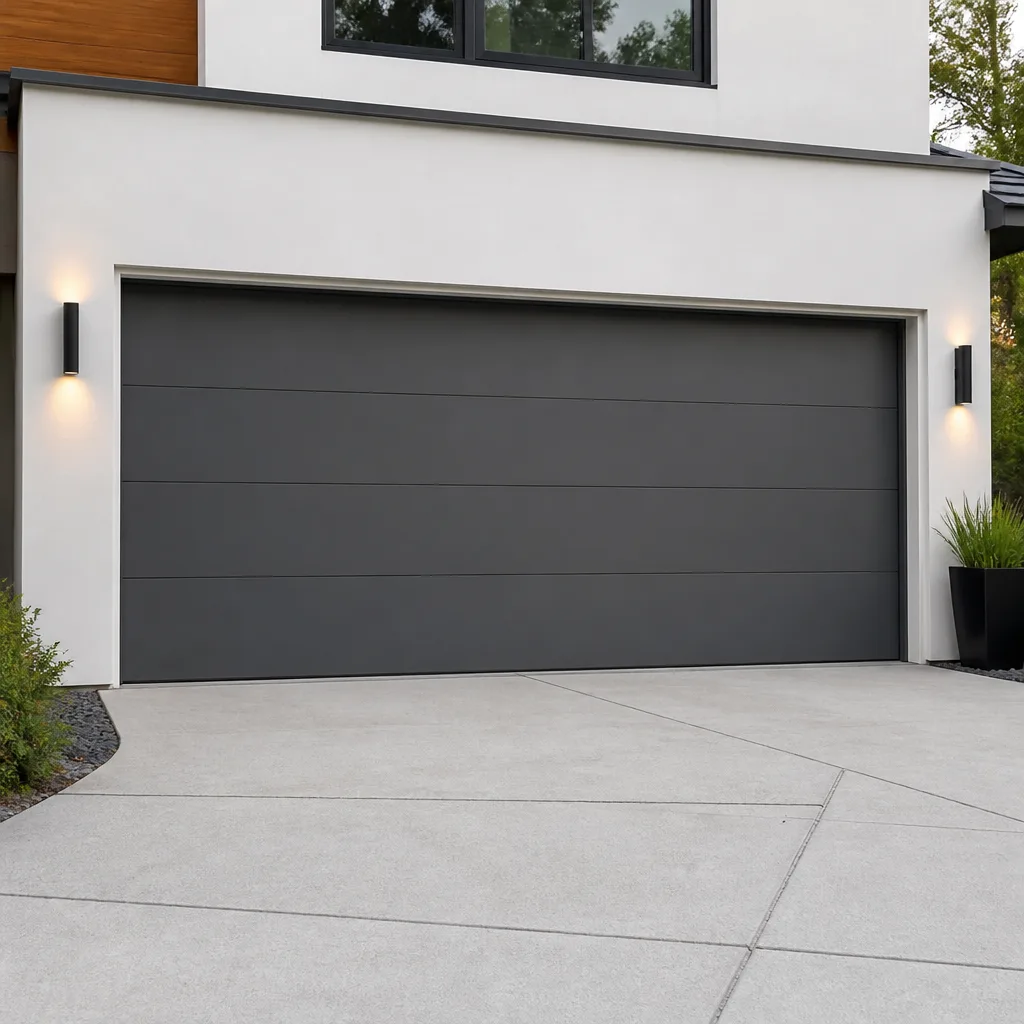 Modern flush
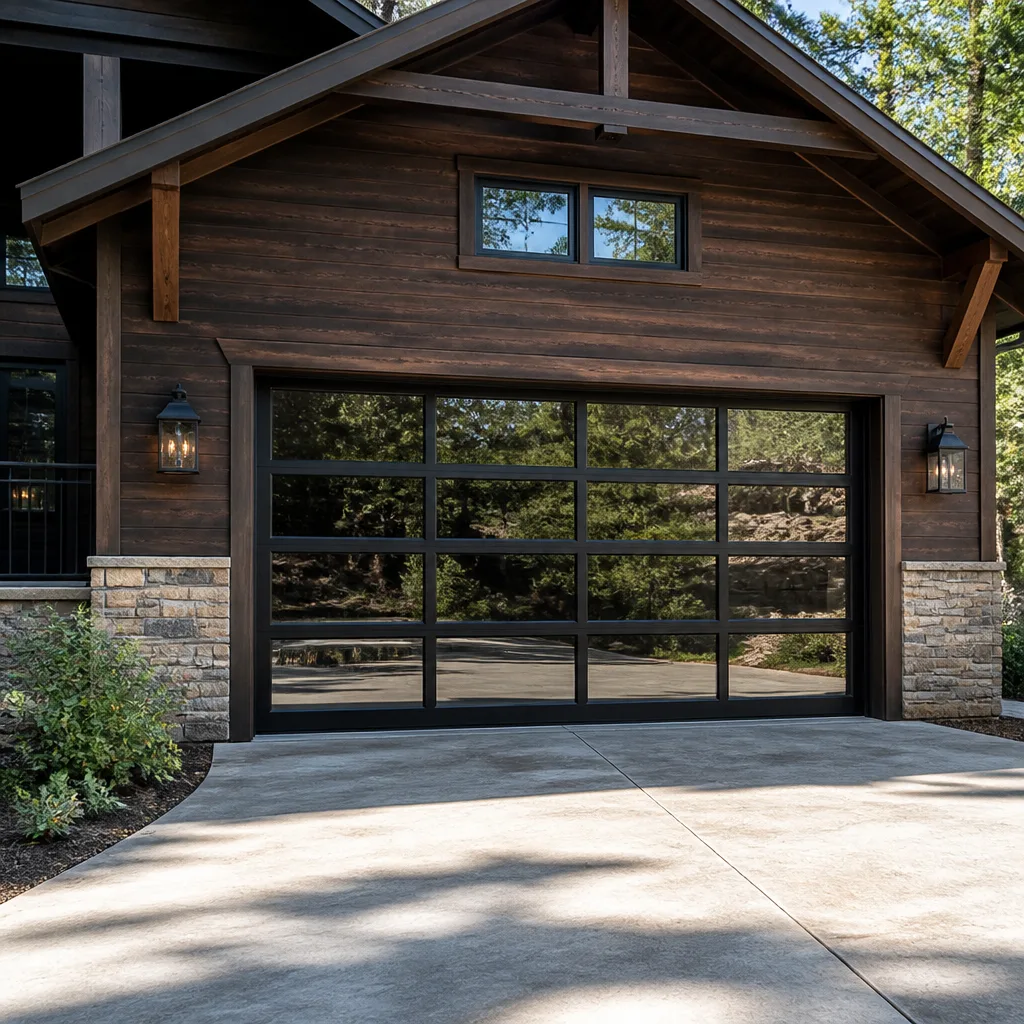 Full-view glass
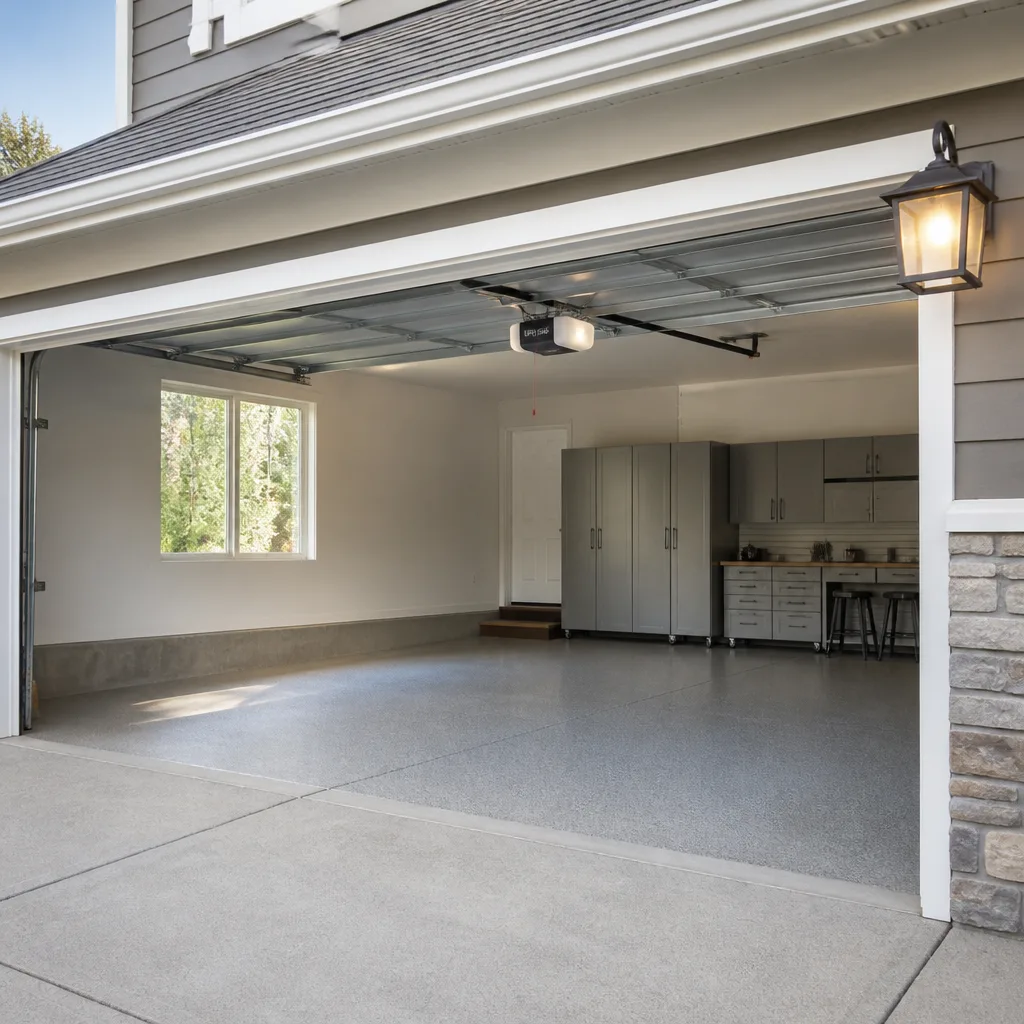 LiftMaster openers
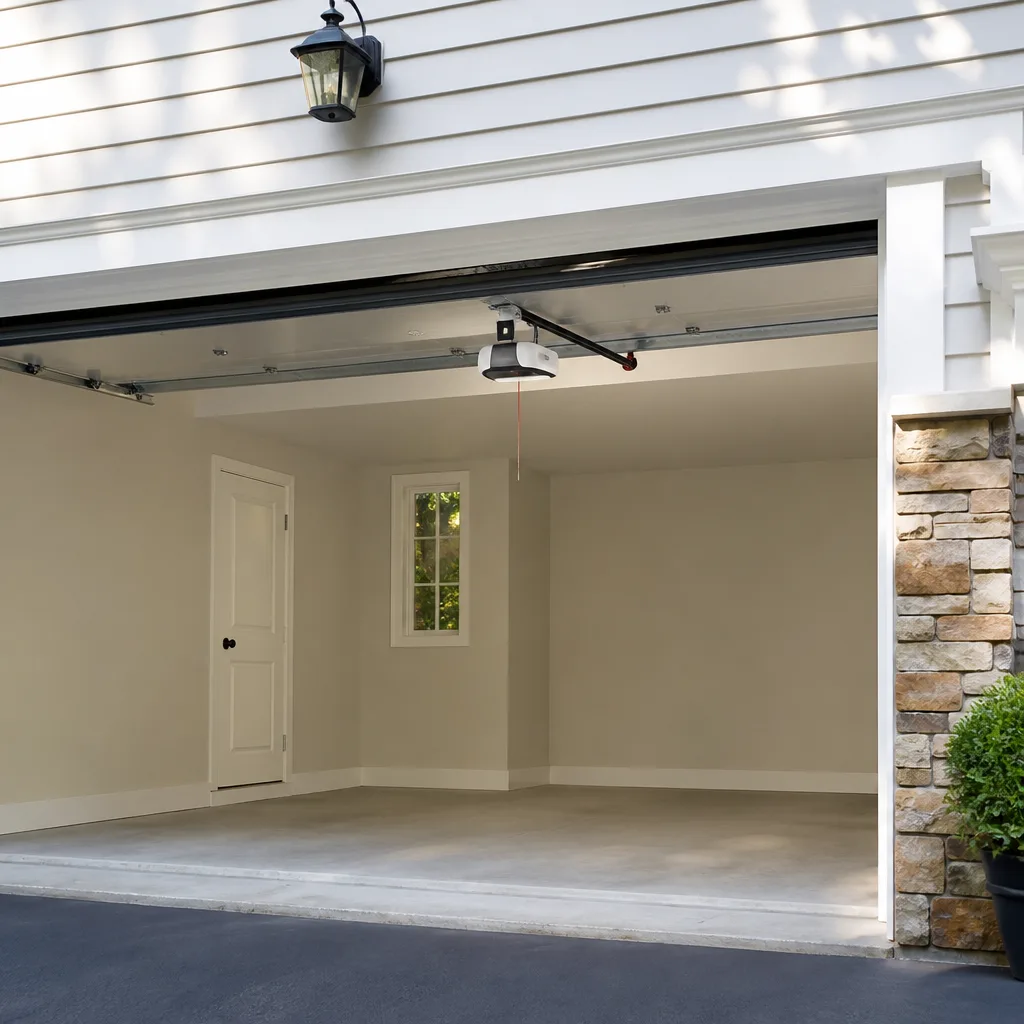 Chamberlain openers
Full 25-point door and opener safety check with every visit - springs, cables, rollers, tracks, and your LiftMaster or Chamberlain opener included
You get a price before we start. It does not change when the truck arrives.
Get your free estimateGarage Door Permits, Codes & Inspections in FL: What You Need to Know
Palm Beach County real estate attorneys will tell you the same thing we hear from homeowners every month: an unpermitted garage door replacement is one of the most common red flags that surfaces during a home sale inspection. The listing looks clean, the offers come in, and then the title search or the buyer’s inspector asks for a permit that doesn’t exist. The seller is the one left holding the bill, and that bill can include retroactive permit fees, reinspection costs, or in the worst case, a full tear-out and reinstallation of a door that was perfectly functional. This guide covers what Palm Beach County and the State of Florida actually require, where the permit line is drawn for repairs versus replacements, what constitutes an inspection, what an NOA is and why it matters, and how the HOA process runs alongside the county. We’re writing this from West Palm Beach, where our company has worked on garage doors long enough to know that paperwork problems are usually more expensive than door problems.
Styles & brands we work with
Quick Answer
In Florida, a full garage door replacement almost always requires a building permit through your local municipality or county, and in Palm Beach County that means submitting a permit application with product approvals that meet High Velocity Hurricane Zone (HVHZ) standards. Repairs like spring replacement, opener repair, panel replacement, and track adjustment generally do not require a permit because they’re classified as maintenance on an existing system. The permit burden falls hardest on sellers at closing: unpermitted work discovered during a sale can delay closing by weeks or force you to strip and redo the work at your own expense.
Table of Contents
- When a Permit Is Actually Required in Florida
- Repairs vs. Replacements: Where the Line Gets Blurry
- Palm Beach County Specifics: What the County Wants
- What an NOA Is and How to Verify It
- What a Garage Door Inspection Actually Checks
- What Happens When Unpermitted Work Is Discovered at Sale
- HOA Approval: The Parallel Process That Runs Slower
- Common Mistakes to Avoid
- When to Call a Professional
- Frequently Asked Questions
- The Bottom Line
When a Permit Is Actually Required in Florida
The Florida Building Code exists for one reason above all others in garage door territory: wind. A garage door is the largest single opening on most homes, and when it fails during a hurricane, the pressure change inside the garage can lift the roof. That’s not an exaggeration. The building code treats garage doors as structural components, not accessories, and the permit requirement follows from that classification.
Here’s the straight answer: any new installation or full replacement of a garage door requires a permit in Florida, including in West Palm Beach and throughout Palm Beach County. The permit application must include product specifications showing that the door meets wind load requirements for the specific wind zone where the home sits. Most of Palm Beach County falls in the High Velocity Hurricane Zone, which has the strictest testing standards in the state.
What requires a permit:
- Full garage door replacement (new door, new tracks, new hardware)
- New garage door installation on a new structure or an addition
- Converting a carport to a garage with a door
- Widening or structurally altering a garage door opening
- Replacing a garage door with a different size or a different product type (for example, switching from a sectional door to a roll-up door)
What does not require a permit:
- Spring replacement (torsion or extension)
- Opener replacement or repair
- Track adjustment or replacement of worn rollers
- Panel replacement on an existing door
- Weather seal, hinge, or strut replacement
- Cable replacement
The distinction matters because it dictates who should do the work and how it gets documented. A licensed contractor will pull the permit for a full replacement as a matter of course. A homeowner who does the work themselves still needs the permit; the fact that you own the home doesn’t exempt you from the building code. The permit is issued by the local building department, and in Palm Beach County that means dealing with the county’s Planning, Zoning and Building Department or the municipality if you live within an incorporated city that handles its own permitting, as West Palm Beach does.
We’ve seen homeowners buy a garage door from a big-box retailer and install it themselves, only to find out at selling time that the door was never permitted. The retailer sold the door legally; the buyer was responsible for the permit and didn’t know it. That’s a closing problem waiting to happen.
Repairs vs. Replacements: Where the Line Gets Blurry
The line between “repair” (no permit needed) and “replacement” (permit needed) sounds clean on paper, but Florida homeowners, and plenty of contractors, get it wrong. The governing principle is this: if the work changes or replaces the door assembly itself, which includes the door sections, the tracks, the springs as a complete system, the hinges, and the hardware, it’s a replacement. If the work addresses a component within an existing assembly, it’s repair.
A spring replacement is a repair. Even though the springs are under tension and are the component that fails most dramatically, replacing them does not change the structural function of the door. You’re restoring the existing system to working order, not installing something new. The same logic applies to replacing an opener: the opener is an add-on motorized device, not a structural component. Opener replacement and opener repair are both classified as maintenance work under Florida code.
But here’s the blur, and it’s a blur we encounter regularly in West Palm Beach: some companies sell “garage door replacement” jobs that are really just panel swaps on existing tracks, while others sell “repair” jobs that involve replacing so many components that the county would consider it a new installation. If the door manufacturer’s product approval is tied to a specific set of tracks, hinges, and hardware, and you swap out enough of those components that the installed assembly no longer matches the approved assembly, you may have created a code violation without realizing it.
In our experience, the cleanest way to think about it: if a customer asks us to replace the door itself, the permit is automatic. If a customer asks us to fix what’s broken, we determine whether the fix is a component-level repair or a de facto replacement. We’ve had cases in Palm Beach County where a homeowner wanted to keep their old track system and “just” hang a new Clopay or Amarr door on it. That’s a replacement of one component but possibly a noncompliant assembly, because the new door’s wind load rating was tested with its own track and hardware system, not with a 15-year-old set of tracks from a different brand.
When in doubt, ask the building department before you start. That’s exactly what we do. The county or city plan reviewer will tell you what category your project falls into, and that determination, not the contractor’s opinion, is what protects you at closing.
Palm Beach County Specifics: What the County Wants
West Palm Beach and the rest of Palm Beach County operate under the Florida Building Code, but the county enforces it with a particular rigor that homeowners from other states often find surprising. Palm Beach County sits entirely within the High Velocity Hurricane Zone, so every garage door product installed here must carry product approval documentation showing test results at HVHZ wind loads, not just the standard Miami-Dade or statewide approval that covers less exposed areas of Florida.
Here’s what a Palm Beach County permit application for a garage door replacement typically requires:
- Permit application completed with the property address, parcel number, and a description of the work
- Product approval documentation showing the door assembly meets HVHZ wind load requirements (this is the NOA or FL product approval number, covered in the next section)
- Wind load calculations for the specific home, which account for the home’s location, exposure category, and mean roof height
- Site plan or elevation drawing showing where the garage door sits on the structure
- Contractor license information if the work is being done by a licensed contractor, or an owner-builder affidavit if the homeowner is doing the work themselves
- Permit fees, which in Palm Beach County for a garage door replacement typically run from $100 to $300 depending on the municipality and the valuation of the work
West Palm Beach operates its own building department separate from the county’s unincorporated area building department, and the city has its own fee schedule. If you live in the city limits of West Palm Beach, you file with the city. If you live in an unincorporated area, you file with Palm Beach County. Either way, the HVHZ requirement is the same.
One detail that trips people up: the permit for a garage door replacement is tied to the property, not to the person who pulled it. That means if you hire a contractor who pulls the permit, and you sell the house three years later, the permit still exists and applies. But if the contractor never pulled the permit, you’re the one with the problem, not the contractor. The permit attaches to the improvement on your property, and code enforcement looks to the property owner when something’s missing.
We work in Loxahatchee Groves regularly, and while the homes there are often on larger lots with detached garages and workshops, the permit requirement is identical. A detached garage door on a pole barn is still a garage door under the code. The wind load calculations may differ because the exposure category changes on open land, but the process doesn’t. Whether you need garage door repair in Loxahatchee Groves or a full replacement with a permit, the county rules apply equally.
What an NOA Is and How to Verify It
NOA stands for Notice of Acceptance. It’s the document issued by Miami-Dade County (or the Florida Building Commission under the statewide approval system) that certifies a specific garage door product has been tested and approved for use in the High Velocity Hurricane Zone. No NOA means no permit in Palm Beach County, and no permit means no legal installation.
Here’s why the NOA exists and why it matters to you as a homeowner.
When a hurricane hits South Florida, garage doors fail because wind pressure exceeds the structural capacity of the door panels, the track system, or the hardware connecting them to the jamb. An NOA confirms that a specific product, configured in a specific way, was independently tested to withstand design wind pressures for its approved wind zone. The NOA is product-specific, model-specific, and configuration-specific. A Clopay door with one track system and one set of wind-load reinforcements will have a different NOA than an Amarr door with a different configuration.
How to verify an NOA before the door is ordered:
- Ask your contractor for the product approval number or NOA number for the exact door model being quoted
- Look up the number on the Miami-Dade County product control search portal or the Florida Building Commission product approval database
- Verify that the NOA is active (approvals can lapse or be revised) and that the approval covers Palm Beach County specifically
- Confirm the NOA includes the specific configuration being installed: door width, height, wind load rating, track type, and any required reinforcement
- Match the NOA documentation to the permit application when it’s filed
This verification step is one that most homeowners skip, and it’s one of the places where bad actors cut corners. A contractor quotes a door at a suspiciously low price, and the reason is that the door doesn’t have an active NOA for Palm Beach County. The door gets installed, looks fine, works fine, and then fails the inspection when the building department checks the product approval against the installation and finds they don’t match.
We verify NOA documentation on every full replacement we quote in West Palm Beach. It’s part of the job. A door without an active NOA for HVHZ wind loads is not a product we’ll install, no matter how much a customer wants a specific style or a specific price point. The liability flows to the homeowner, and we’re not willing to put a customer in that position.
What a Garage Door Inspection Actually Checks
A garage door permit inspection in Palm Beach County is not a functional test of the door’s operation. The inspector is checking code compliance, not whether the door opens smoothly. Here’s what the inspector is actually looking at when they show up for the inspection after a permitted replacement.
The inspection is usually one of the final inspections on a garage door replacement permit, and it’s typically done after the door is fully installed. The inspector will look at:
- Product approval match: The installed door is the same make, model, and configuration listed on the NOA and the permit application
- Fastener schedule: The size, spacing, and embedment depth of the fasteners connecting the track and jambs match the approved installation instructions
- Wind load reinforcement: Any struts, bracing, or reinforcement bars required by the NOA are installed in the locations specified
- Structural attachment: The track brackets and jamb hardware are attached to the structure in a way that transfers wind loads properly, not just screwed into drywall or trim
- Operational safety features: The photo eye sensors are installed at the correct height (six inches from the floor is the standard), the reversing mechanism works, and the door stays in place when stopped mid-travel
- Weather protection: Proper flashing, weather seal, and exterior finishes around the opening
The inspector is not going to test whether the springs are balanced properly or whether the opener logic board is functioning. Those are functional and installation-quality issues, not code compliance issues. But an inspector will flag a door that visibly hangs crooked, because that suggests the track attachment or the spring assembly wasn’t done properly.
What this means for you: before the inspection, make sure the installation area is accessible, the door is in the closed position, and any debris from the installation is cleared away. The inspector will need to see the door from inside the garage and outside. If you have a vehicle parked in the garage, move it out before the inspection. We’ve seen inspections fail for reasons that had nothing to do with the door: the inspector couldn’t access the opening, or the product approval stickers were still on the packaging that had been thrown away.
For full replacements, the inspection is the final step before the permit is closed. It’s the homeowner’s responsibility to make sure the inspection gets scheduled and completed, whether the contractor handles the scheduling or not. An open permit with a completed installation but no final inspection is still an open permit, and it will show up as one at closing.
What Happens When Unpermitted Work Is Discovered at Sale
We mentioned at the top of this guide that unpermitted garage door replacements are one of the most commonly flagged issues in Palm Beach County home sales. Here’s how that actually plays out, step by step, because the reality is worse than most homeowners expect.
- The discovery. A buyer’s home inspector, a title company, or a buyer’s agent identifies that the garage door was replaced recently but no permit is on file. Sometimes this comes up because the door is visibly newer than the home, and sometimes it comes up because the previous homeowner’s disclosure or the listing photos show a different door than the one on file with the county.
- The demand. The buyer’s side requests that the seller provide proof of permit, or in its absence, cure the deficiency. This usually comes in the form of a repair addendum or a requested credit.
- The retroactive permit process. The seller must now apply for a permit after the fact. This means the work must be inspected, and if the installed door doesn’t meet current code, the seller must bring it into compliance. The door may need to be modified, reinforced, or fully replaced.
- The worst case. If the installed door has no NOA or the NOA doesn’t cover the configuration, the building department can require the seller to remove and replace the door entirely. The seller pays for this, not the contractor who did the original unpermitted work, unless the seller can pursue a successful claim against that contractor, which is often difficult if the contractor is gone or unlicensed.
- The delay. Even when the fix is straightforward, the retroactive permit, inspection, and closing document update can add two to four weeks to the closing timeline. In a competitive Palm Beach County market, that delay can kill the deal if the buyer has a rate lock expiring or a lease ending.
We’ve been called in on the cleanup end of this process multiple times. A seller had a garage door replaced two years before listing the home, never thought about permits, and now the buyer’s lender won’t fund until the permit is closed. In one case we handled, the existing door did have an active NOA, so the fix was a matter of pulling a retroactive permit, paying the fees, and passing an inspection. In another, the door was a non-HVHZ product that had been installed by a contractor from outside the area, and the seller had to pay for a full replacement. That replacement cost came out of the sale proceeds, and there was no recourse against the original contractor.
The lesson is not subtle. Cheap installation without a permit is expensive.
HOA Approval: The Parallel Process That Runs Slower
If you live in a community governed by a homeowners association, and a large percentage of West Palm Beach homeowners do, you have two approval processes running at once: the county permit and the HOA architectural review. The county permit is the legally binding one. The HOA approval is the contractually binding one. You need both, and they move at different speeds.
HOAs in Palm Beach County typically require architectural review board approval for any exterior modification, which a garage door replacement unquestionably is. The HOA’s concern is not wind load; it’s design consistency, color, material, and style. Most HOAs publish approved door styles and colors, and some require that you choose from a specific list of approved products, which may or may not include the door you want.
The sequencing matters. Here’s the order we recommend, based on doing this in West Palm Beach’s HOA communities for years:
- Check the HOA’s architectural guidelines first. Before you fall in love with a specific door style, find out whether the HOA will approve it. Review the approved product list if one exists, and note any restrictions on material, color, or carriage-house styling.
- Submit your HOA application early. HOA architectural boards typically meet once a month, and some only review applications at those meetings. If you miss the deadline by a day, you wait another month.
- File the county permit only after the HOA approves the product. The permit application includes the specific door product, and if the HOA rejects your first choice, you don’t want to file a permit for a door you can’t install.
- Coordinate the installation window with both approvals in hand. The building permit has an expiration date, usually 180 days from issuance, so schedule the work within that window.
One common trap: a homeowner gets county permit approval, starts the work, and then the HOA notices and issues a violation because the door color or style wasn’t approved. The HOA’s power to stop work is contractual, not legal, but the violation can trigger fines, and more importantly, the HOA approval will still be required before you can close the county permit. You can’t close a permit on a door that violates your deed restrictions without it becoming a problem later.
We’ve done installations in Loxahatchee Groves where the HOA process was the long pole in the schedule, not the county. The homeowner waited six weeks for architectural board approval before we could order the door. If you’re planning a replacement, start the HOA paperwork the same week you start getting quotes. Whether you’re headed toward garage door installation in Loxahatchee Groves or a West Palm Beach neighborhood, the HOA clock starts ticking at quote time, not at install time.
Common Mistakes to Avoid
- Assuming a “licensed contractor” automatically pulls the permit. Licensing and permitting are separate systems. A contractor can hold a valid license and still skip the permit to save time or money. Always ask who is pulling the permit, and verify it was filed before work starts.
- Treating a panel replacement as a repair when it’s really a re-skin. Replacing all the panels on a door is a gray area. If the door assembly changes enough that the product approval no longer applies, the county treats it as a replacement. Ask before you proceed.
- Buying the door yourself and hiring a handyman to hang it. The handyman price is cheaper, but handymen can’t pull permits in most Florida jurisdictions, which means the work is unpermitted by definition, and you’ve married yourself to a closing problem.
- Skipping the NOA verification. If the contractor can’t produce a valid NOA for Palm Beach County, don’t sign the contract. It’s the first thing the building department will check.
- Closing on a home with an open garage door permit. Buyers in West Palm Beach should verify that any recent garage door work has a closed permit before closing. An open permit transfers to the new owner.
- Waiting to start the HOA review until after you’ve picked a door. The HOA can and will reject your choice, and then you’re re-quoting, re-filing, and re-scheduling on their timeline, not yours.
- Ignoring the permit expiration date. A permit that expires before the work is done and inspected means starting the process over, including paying fees again.
When to Call a Professional
A full garage door replacement in Palm Beach County is not a casual weekend project, and the permit process is the first reason why, not the last. You should call a licensed garage door specialist if the job involves any door replacement, any work requiring a permit, any installation where the NOA documentation needs to be matched to the permit application, or any opener replacement or repair where you want the work done to manufacturer spec and code without losing a day to trial and error. Spring work is particularly important to leave to a pro: torsion springs are under extreme tension and cause serious injury when mishandled. If you have an opener issue, a company that does garage door opener repair in Loxahatchee Groves as a standalone service will handle the board, the motor, and the safety sensors in one visit. If you need a replacement, the same company should be able to handle the full garage door installation in Loxahatchee Groves or West Palm Beach, permit included. West Palm Beach Garage Door Co offers free estimates in West Palm Beach. Call (877) 265-9120. Whether it’s repair, opener service, or a full replacement with the permit handled properly, garage doors are all we do.
Frequently Asked Questions
Yes. A full garage door replacement requires a permit in Palm Beach County and throughout Florida, with product approval documentation showing HVHZ compliance for the specific door being installed. Repairs like spring or opener replacement do not require a permit. Call (877) 265-9120 if you need the permit handled as part of the installation.
You’ll have an open code violation on your property that can block a future sale, and you may be required to pay retroactive permit fees, pass an inspection, or tear out and replace the door if it lacks the proper NOA. The cost and delay land on the property owner, not the contractor who did the unpermitted work.
Permit fees for a garage door replacement in West Palm Beach and Palm Beach County typically run $100 to $300 depending on the municipality and the stated valuation of the work. Your contractor should include the permit fee as a line item in the quote and handle the filing. Call (877) 265-9120 for a written estimate that includes the full permit cost.
Florida allows owner-builder work under specific conditions, but an owner-installed garage door still requires a permit, HVHZ product approvals, and a passed inspection. The owner-builder affidavit also limits your ability to sell the home within a year of the work in many cases. Most homeowners are better served by a licensed specialist who handles the whole process.
An NOA is a specific document issued through Miami-Dade County or the Florida Building Commission that certifies a product has been tested and approved for HVHZ use. A wind load calculation is a site-specific engineering calculation that determines what wind pressures your particular home and door opening must withstand. Both are required for a permit in Palm Beach County.
No. Garage door opener installation, replacement, and repair are classified as maintenance on an existing system and do not require a permit in Florida, including Palm Beach County. That said, a professional opener repair is still worth doing carefully, and if you need garage door opener repair in Loxahatchee Groves, a specialist can handle it without the permit burden.
The High Velocity Hurricane Zone is the designation for Miami-Dade and Broward counties and all of Palm Beach County under Florida building code, requiring the strictest wind load ratings for products like garage doors. If your home is in West Palm Beach or anywhere in Palm Beach County, the HVHZ applies to your garage door replacement.
The Bottom Line
Garage door permits in Palm Beach County aren’t optional paperwork; they’re the difference between a door that protects your home in a hurricane and a door that becomes a legal and financial liability at the worst possible time. A full replacement needs a permit, an NOA-verified product, and a final inspection. Repairs and opener work don’t need a permit, but the line between repair and replacement is thinner than most people think. Get the HOA process started early, verify the NOA before you sign, and don’t let a “cheap” installation turn into a tear-out. Repair, opener service, or full installation handled by one specialist team, whatever brand is on your garage, we know it. Call West Palm Beach Garage Door Co at (877) 265-9120 for a free estimate, including full permit handling in Palm Beach County.
Written by the team at West Palm Beach Garage Door Co, serving West Palm Beach since 2013.
See the difference
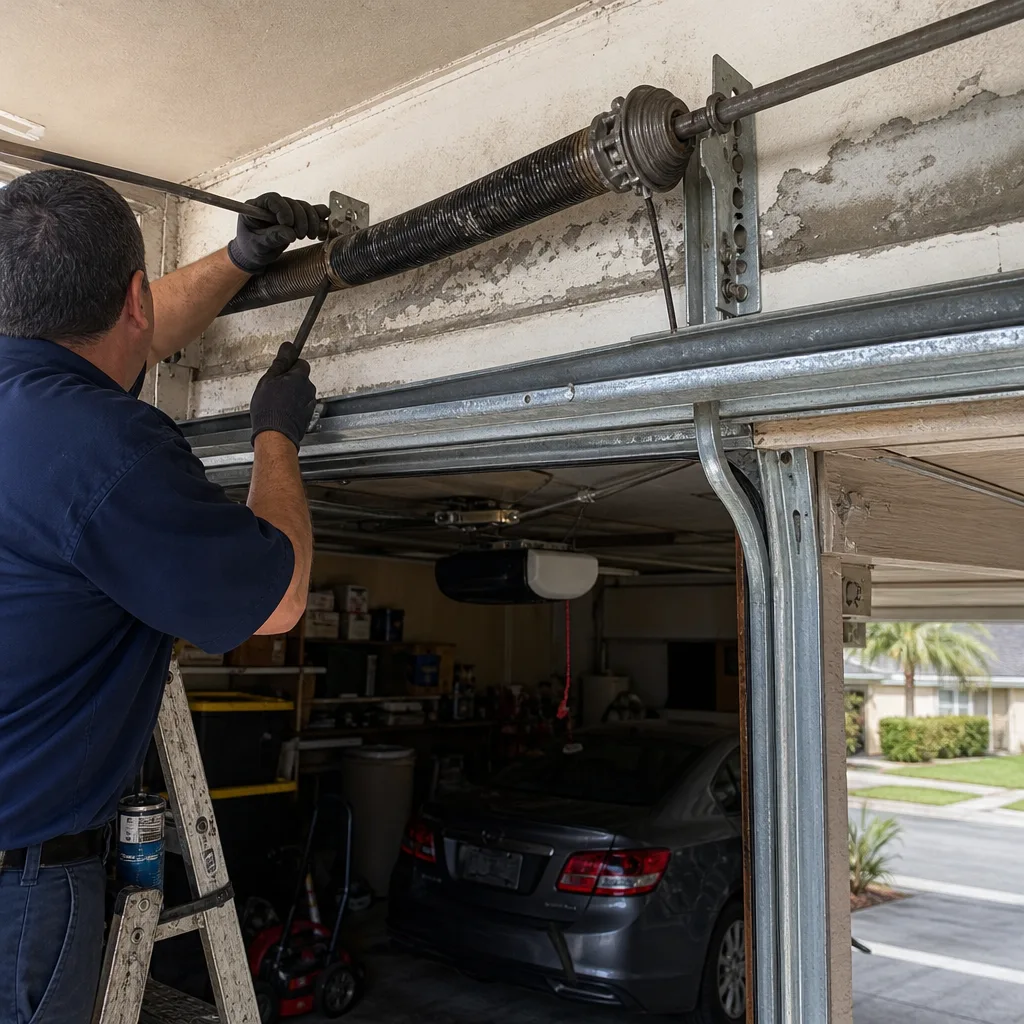 Before
 After
 Before
 After
 Before
 After