Last updated October 30, 2026
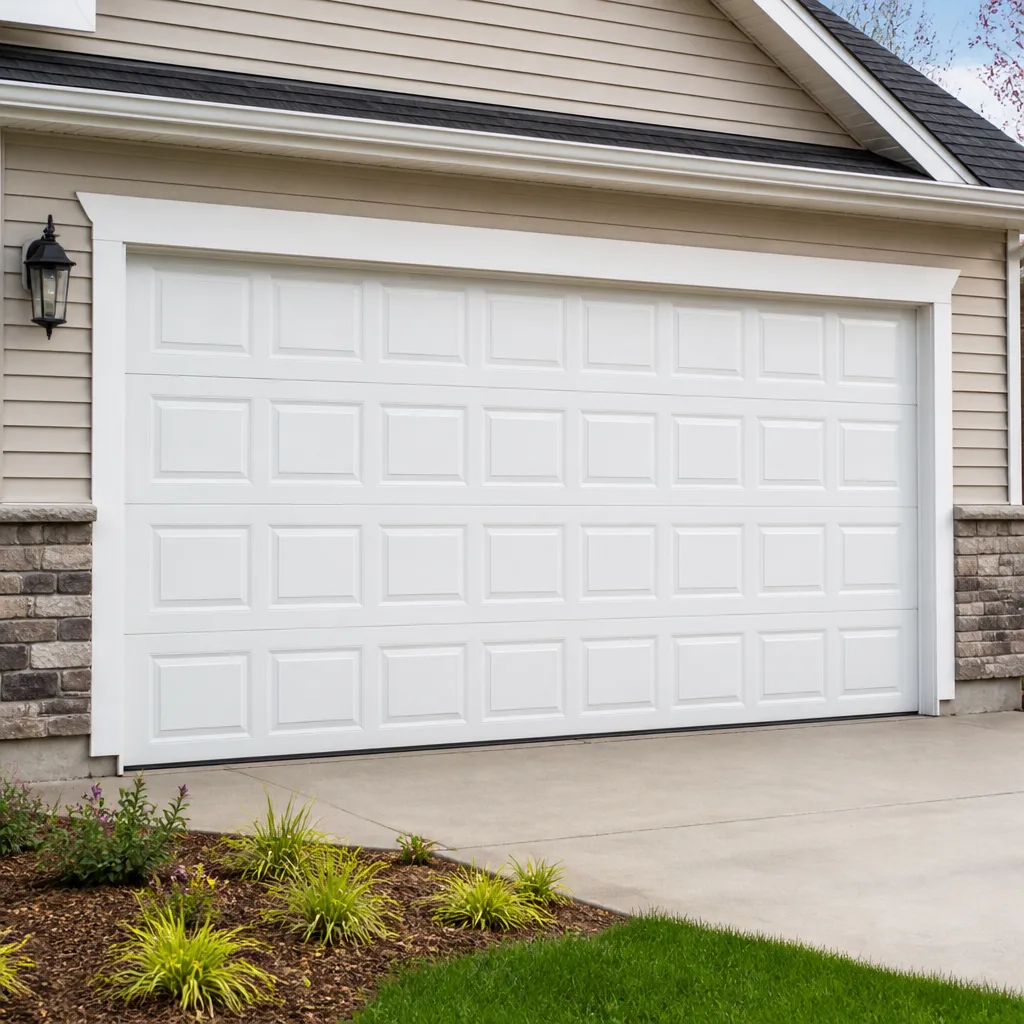 Raised-panel steel
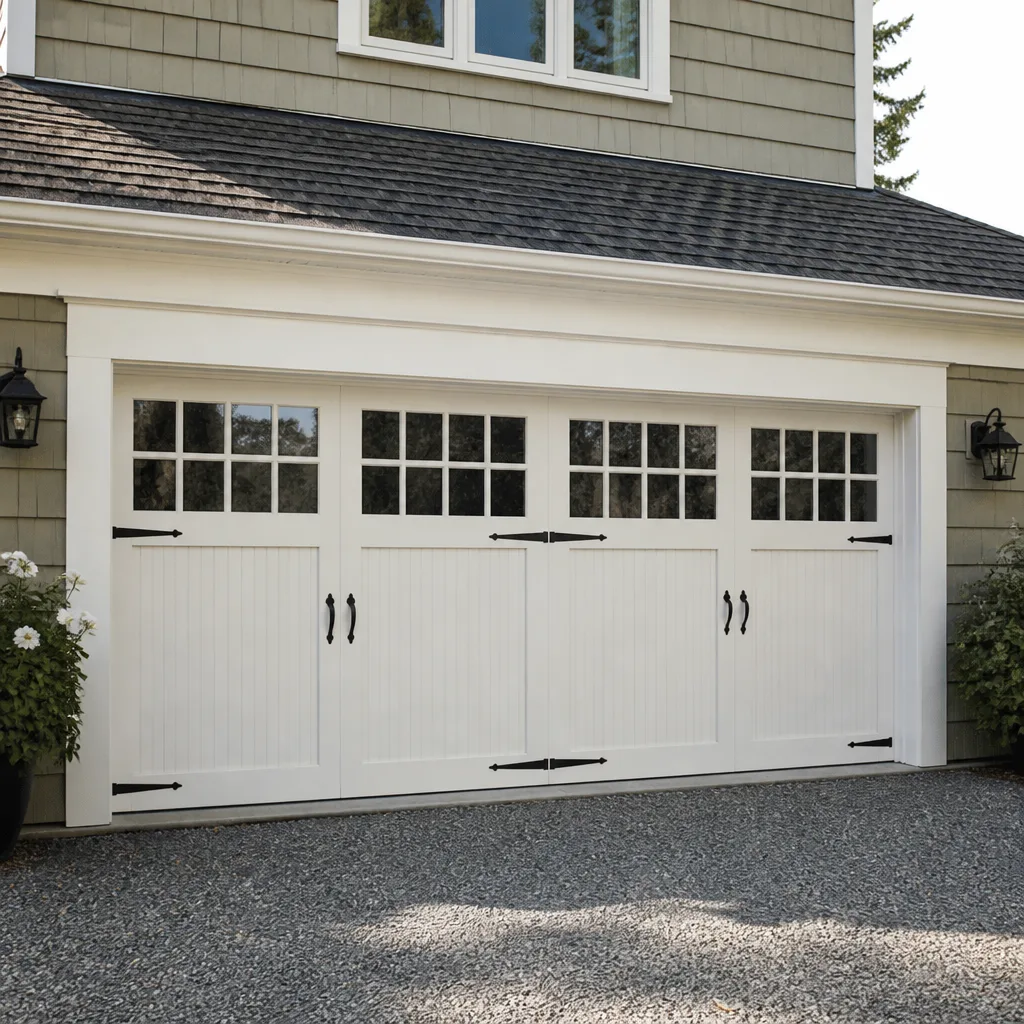 Carriage house
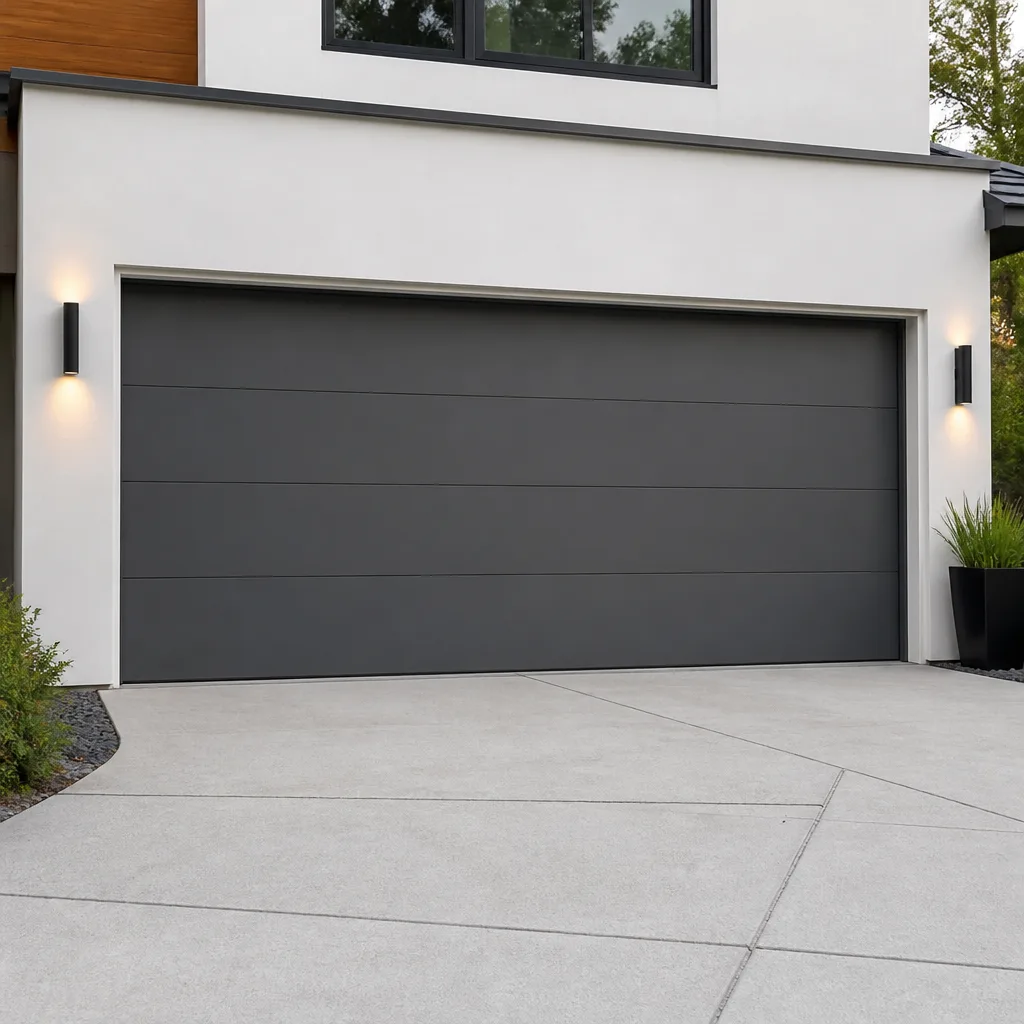 Modern flush
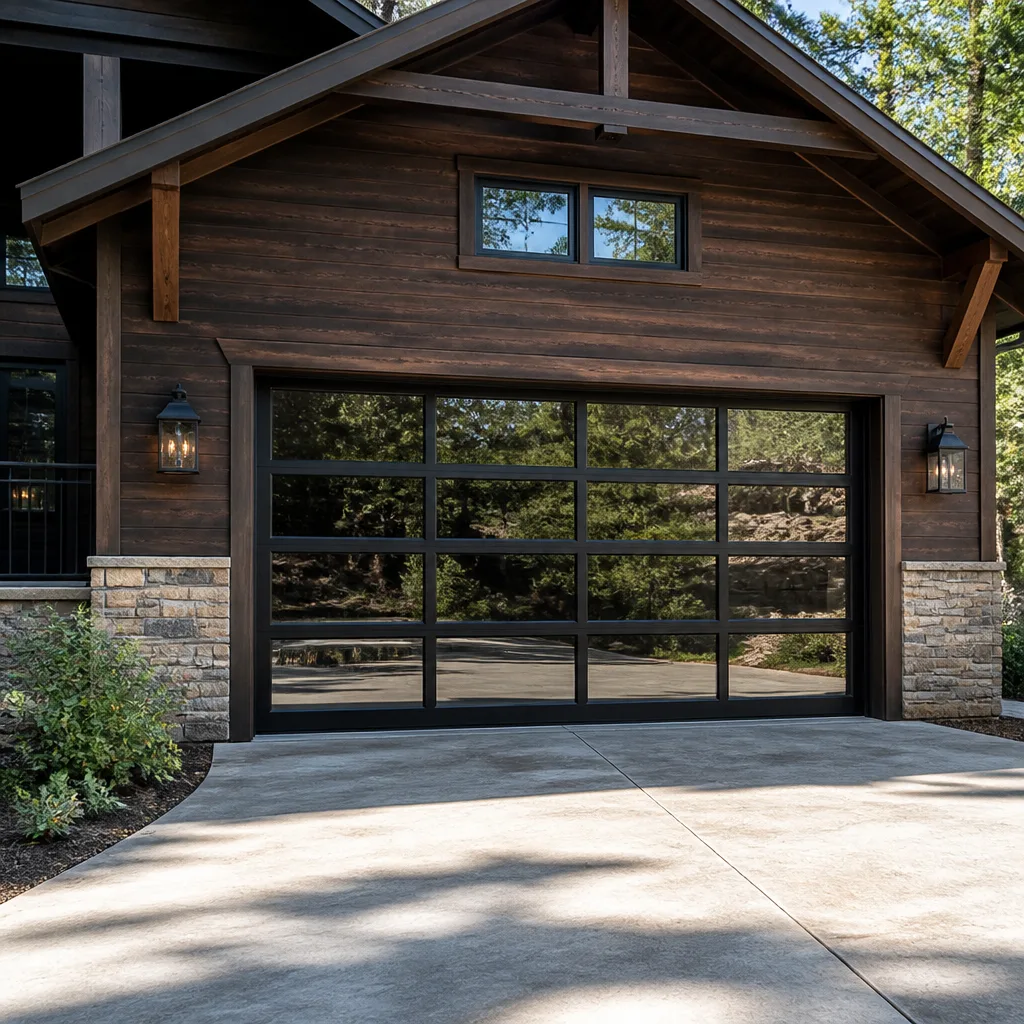 Full-view glass
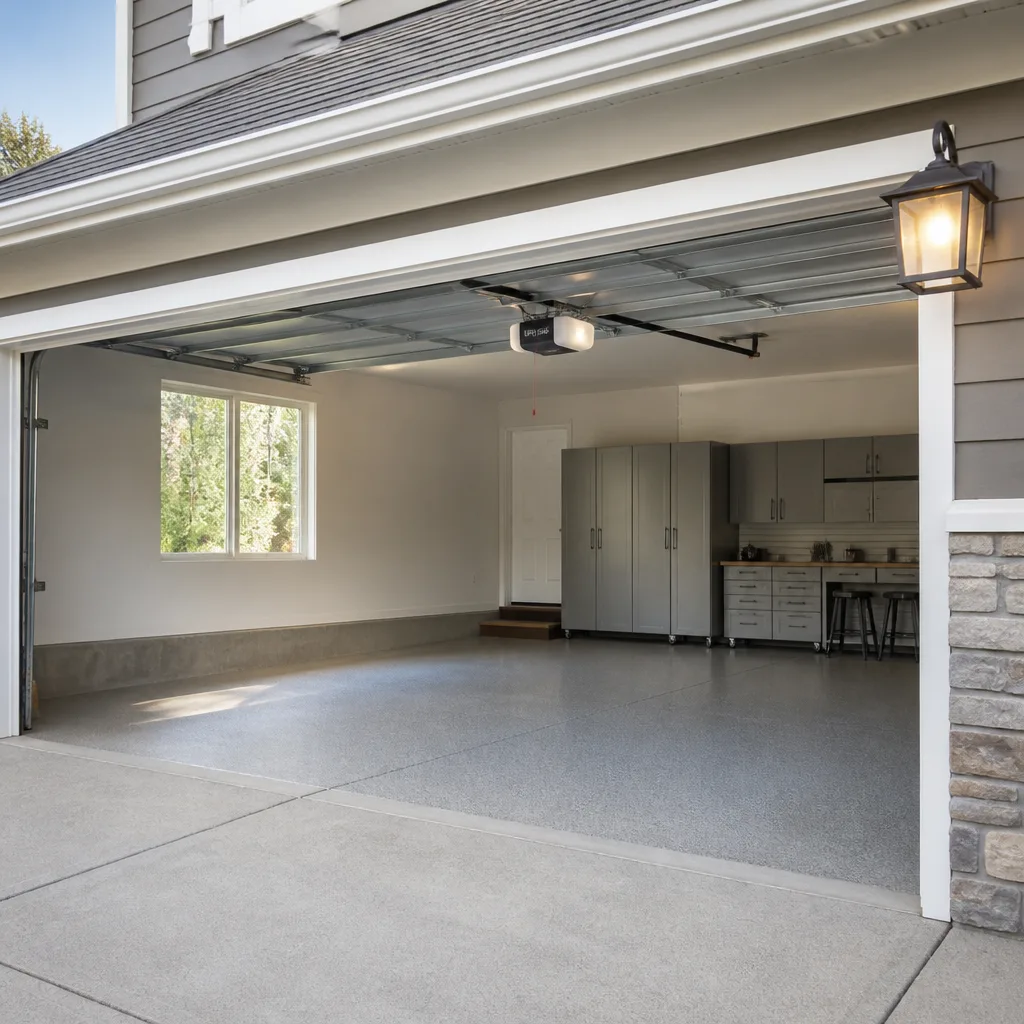 LiftMaster openers
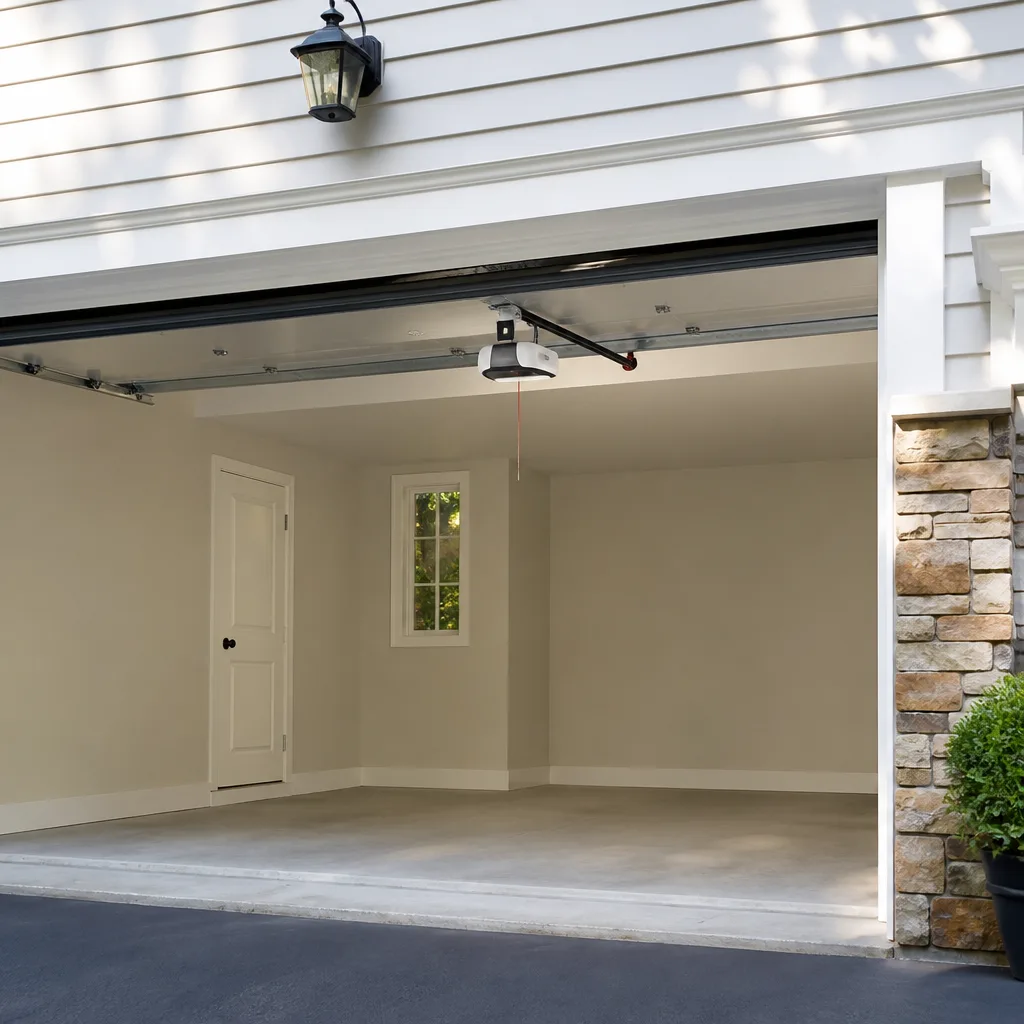 Chamberlain openers
Full 25-point door and opener safety check with every visit - springs, cables, rollers, tracks, and your LiftMaster or Chamberlain opener included
You get a price before we start. It does not change when the truck arrives.
Get your free estimateGarage Door Emergency Preparedness Guide for West Palm Beach Homes
During Hurricane Ian, the most common residential structural failure in South Florida wasn’t roof loss. It was garage door blowout, which then created the pressure differential that lifted roofs. A door that looks fine can be one storm away from becoming the reason you lose everything above it. Most West Palm Beach homeowners have a generator plan and a water plan but no garage door plan at all. This guide fixes that, covering two distinct emergencies: a door that fails mechanically without warning and a door that has to survive a named storm. For Garage Door Repair Troubleshooting: Common Problems and How to Fix Them, see our dedicated resource. Both demand preparation, not panic.
Quick Answer
Garage door emergency preparedness in West Palm Beach means having two protocols ready: a mechanical failure plan for when your door jams, breaks, or loses power at the worst possible moment, and a storm hardening plan that prevents wind blowout during hurricane season. Our Garage Door Repair Maintenance Checklist for West Palm Beach Homeowners covers what to inspect before problems start. Before a storm, every garage door in a wind-borne debris region needs to be either impact-rated or temporarily braced. After any incident, know how to safely disengage the opener, document damage, and call a specialist who can fix the door and the opener in one visit.
Styles & brands we work with
Table of Contents
- The Mechanical Emergency Protocol
- Storm Hardening: Why West Palm Beach Garage Doors Fail
- How to Check Your Door’s Wind Load Rating
- The Pre-Storm Checklist: 72 Hours, 24 Hours, Season Opener
- Temporary Bracing: What Works and What Doesn’t
- Insurance Documentation: The Photos and Records You Need
- Opener Failures: The Forgotten Emergency
- Building a Garage Door Emergency Go-Kit
The Mechanical Emergency Protocol
Most garage door emergencies in West Palm Beach happen at the worst possible time: 7 a.m. on a Monday, with your car trapped inside and the door halfway up. Cables snap, springs break, openers strip their gears. The door becomes a 150-to-400-pound dead weight, and if you pull the wrong thing or stand in the wrong spot, it becomes dangerous. Here’s the step-by-step protocol we recommend to every West Palm Beach homeowner, in the order you should actually do it. The full breakdown is below, but the short version is this: if the door is stuck mid-travel and the opener still has power, disengage the opener and lower the door by hand. If the door will not move manually, stop and call a professional. Do not force it.
- Assess the position of the door. Is it fully open, fully closed, or stuck partway? A door stuck partway is under maximum spring tension and should be treated as an immediate hazard. Keep people and pets away from the opening.
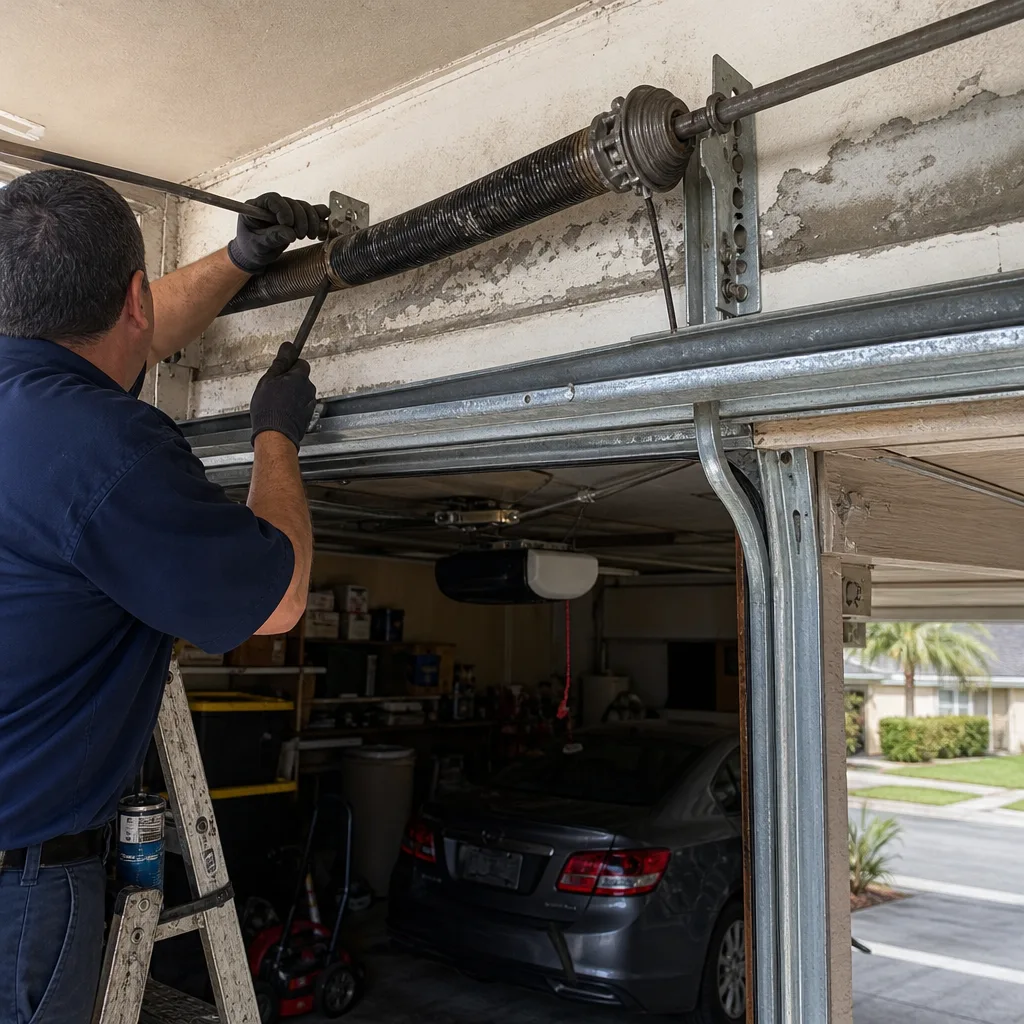
- Check whether the springs are intact. Look above the door. Torsion springs sit on a metal tube over the header. Extension springs run along the horizontal tracks on both sides. If you see a visible gap in a spring coil, the spring has failed. Do not attempt to open or close the door. A failed spring means the full weight of the door is unsupported.
- If the springs look intact, disengage the opener. Pull the red emergency release cord dangling from the opener rail. This disconnects the door from the opener carriage so you can move the door manually. Pull straight down, not sideways.
- Test the door’s balance by hand. With the opener disengaged, try to lift the door about waist height. A properly balanced door stays put when you let go. If it slams down or shoots up, the springs need adjustment or replacement. Do not use the door until a professional has looked at it.
- If the door moves normally by hand, operate it manually until repairs are scheduled. Lock it with the slide lock on the inside track when closed. Do not reconnect the opener until the underlying issue is fixed. Reconnecting a malfunctioning opener to a damaged door causes further damage.
- Call a garage door specialist. In West Palm Beach, a spring or cable failure should be handled the same day. State your door brand when you call. A company fluent in LiftMaster, Chamberlain, Genie, Clopay, Amarr, Wayne Dalton, Craftsman, and Raynor can bring the right parts on the first trip.
The Safety Step Everyone Skips
The manual release protocol in most opener manuals has a critical step buried in fine print: never disengage the opener when the door is open and the springs are broken. The red cord exists for power outages, not spring failures. If the spring is broken and the door is open, pulling the release cord drops the full weight of the door onto whatever is under it. A 16-foot steel door can weigh 300 pounds. If the door is stuck open and the spring looks damaged, call a professional. Do not touch the release cord.
We also see homeowners in West Palm Beach neighborhoods like El Cid and Flamingo Park make the same mistake year after year: they try to force the door down by standing in the opening and pulling from the bottom. If a cable releases while you’re doing that, the door will fall along its tracks. You cannot stop it by holding on. Always stay to the side of the door, never under it.
Storm Hardening: Why West Palm Beach Garage Doors Fail
West Palm Beach sits in a High Velocity Hurricane Zone. That’s not a marketing phrase; it’s the building code designation that applies to Palm Beach County. For the full regulatory picture, read Garage Door Permits, Codes & Inspections in FL: What You Need to Know. A garage door in this region has to withstand wind pressures that would collapse doors built for Kansas or Ohio. When a garage door fails during a hurricane, the wind enters the garage, pressurizes the interior, and blows the roof off from underneath. The door is the structural weak point on most homes, and it’s also the largest opening. If it goes, the rest of the house goes with it.
There are two ways to harden a garage door against this scenario:
- Install a wind-load-rated door. A door tested to meet the Florida Building Code requirements for the High Velocity Hurricane Zone, whether impact-rated or non-impact-rated with a wind load certification. Impact-rated doors resist flying debris; non-impact wind-load doors resist pressure but will be breached by a 2×4 at 34 mph. Both are certified and labeled.
- Retrofit an existing door with a bracing system. Vertical or horizontal steel or aluminum braces that reinforce a non-rated door. Bracing is a last resort before a storm, not a permanent solution.
In our experience, most doors we inspect in West Palm Beach’s older neighborhoods, particularly homes built before 2001, have neither a wind load label nor hurricane hardware. That includes many doors that look modern. The label is usually on the inside of the door panel itself, near a corner, or on the end stile. If there’s no label, the door is not rated. We’ll walk through exactly where to look later in this guide.
The takeaway is dry but essential: a pretty door with no label is a structural liability. In a Category 3 storm, it is not protecting your home. It is the point of failure. And in West Palm Beach, Category 3 is not a hypothetical. It’s a 20-year event that’s overdue.
How to Check Your Door’s Wind Load Rating
Evaluating whether your existing West Palm Beach garage door meets current wind load requirements takes about fifteen minutes and costs nothing. Here’s the process we walk homeowners through when they call us:
- Find the label. Open the garage door and look at the inside face. On sectional doors, the certification label is typically a metal or foil tag affixed to the interior side of a panel, near the bottom right or bottom left corner. On one-piece doors, it may be on the interior top edge. The label will state the maximum design pressure rating in PSF (pounds per square foot) or list a test standard like TAS 201, 202, or 203.
- Check the hardware. Wind-rated doors use heavier gauge track, double-end hinges at the top of each section, and additional jamb brackets. Count the brackets: a wind-rated sectional door will have brackets every 18 inches or less along each track, not every 24 to 30 inches as on a standard door.
- Check the struts. Look at the interior of each door section. Wind-rated doors have a horizontal steel strut bolted across each panel, not just the top one. These struts stiffen the door against positive and negative pressure.
- If there is no label, assume it is not rated. A missing label under Florida law means the door was installed before testing requirements or was never certified. The building department will treat it as non-conforming.
If the door doesn’t have a label or the hardware looks underbuilt, your options are replacement with a rated door or ongoing reliance on temporary bracing. The permanent fix costs more than a standard door, but it’s the only fix that doesn’t require you to be home, awake, and physically able to install braces as a storm approaches. West Palm Beach hurricane evacuations don’t wait for you to finish bolting steel to your garage door.
When we install rated doors in West Palm Beach, we see homeowners choose doors from Clopay, Amarr, and Wayne Dalton most often, paired with LiftMaster or Chamberlain openers. The door and the opener are separate systems, and both need to work after a storm. Many emergency calls we get after a hurricane involve an opener that took a power surge and won’t pair with the remotes anymore.
The Pre-Storm Checklist: 72 Hours, 24 Hours, Season Opener
Storm prep is a calendar exercise as much as a hardware exercise. You can’t bolt a brace to a concrete block wall for the first time as a Category 4 sits 200 miles offshore. Here’s the timeline we give homeowners in West Palm Beach, from the start of hurricane season through the final pre-landfall hours.
Before Hurricane Season Opens (June 1)
- Have the door inspected. Springs, cables, rollers, hinges, and tracks should be checked by a professional. A door that’s on the edge of failure will not survive a storm’s first gust. An inspection catches the broken cable strands and rusted bottom brackets before they become a mid-storm collapse.
- Determine the door’s wind load status. Find the label or confirm it doesn’t have one. Make the replacement decision now, when lead times are normal and crews aren’t booking three weeks out.
- If the door is non-rated, buy and pre-fit a bracing system. Pre-drilling anchor points into the wall and floor now means a 20-minute install before the storm instead of a four-hour scramble.
- Photograph everything. Current condition photos, the label if present, the opener model plate, and the door’s hardware. We detail this in the insurance documentation section below.
- Charge the backup battery. If your opener has a battery backup, test it. If it doesn’t, consider adding one. After a West Palm Beach storm, the power can be out for days. An opener without a backup means manual operation until the utility crews restore service.
72 Hours Before Landfall
- Run the door through a full cycle. Listen for grinding, popping, or uneven travel. If anything sounds off, call for repair now. Same-day garage door repair in West Palm Beach is realistic 72 hours out; it is impossible once the county is under a hurricane warning.
- Test the opener’s manual release. Pull the red cord and practice opening and closing the door by hand. In the dark, with the power out, this should be muscle memory.
- Top off the backup battery. Plug the opener into power to ensure the battery is at full charge.
24 Hours Before Landfall
- Install permanent bracing or tighten your pre-fitted system. If you have a non-rated door and you’re staying, install the braces now. If you’re evacuating, install them anyway. A braced non-rated door has a fighting chance. An unbraced one doesn’t.
- Close the door and disconnect the opener. Pull the release cord and leave the opener disengaged. The door should sit fully closed on the floor, locked with the slide lock if your door has one. A disconnected opener prevents surge damage and keeps the door from being operated remotely by a failing control board.
- Photograph the closed and braced door. One final set of photos before the storm arrives documents your preparation.
- Move vehicles away from the door. Park them in the driveway or on the street. If the door fails inward, your car is not the thing you want in its path.
Temporary Bracing: What Works and What Doesn’t
Bracing a non-rated garage door is the most misunderstood part of hurricane prep. The truth is this: temporary bracing stiffens a door against wind pressure, but it does not make the door impact-rated. A 2×4 launched by a 130 mph gust will still punch through a braced standard door. What braces do is buy you resistance against the door bowing inward from pressure alone. That’s meaningful, because pressure is what pops the rollers out of their tracks and folds the door into the garage. But it’s a partial defense, not certification.
The most common temporary bracing approach in West Palm Beach is vertical steel or aluminum columns placed against the inside of the door and anchored to the floor and header. We’ve also seen homeowners use horizontal wood studs across the door’s interior, screwed into the wall framing. Both provide meaningful stiffness. Neither is a substitute for a rated door. If you plan to stay in the same home for more than a few years in West Palm Beach, a wind-load-rated replacement door is the correct long-term investment. Bracing is what you do in the two seasons between now and when you can afford the replacement.
There is one bracing method that does not work: parking your car against the inside of the door. It’s common advice, it’s repeated in homeowner Facebook groups, and it fails in practice. Cars roll, doors flex, and the car’s bumper applies force to a single point while the door bows around it. The door still fails, and now your car is damaged too.
If you’re installing braces this season, anchor them into concrete or framing, not drywall. Pre-drill the anchor points. Use lag bolts no smaller than 3/8 inch by 3 inches. And tighten the braces against the door so there’s no play. A brace that rattles in the wind is doing nothing.
What a Professional Can Do That a Bracing Kit Can’t
Bracing kits are not the only option. We regularly retrofit existing West Palm Beach doors with heavier track, additional struts, and stronger hinges, which improves the door’s pressure rating even without replacing the whole door. This mid-range option fills the gap between a $150 bracing kit and a $2,500-plus rated door replacement. It isn’t a certification. But it’s a real upgrade.
If you call us after a storm because a braced door failed, that’s a common outcome. Adhesive strip systems, post systems from big-box stores, and improvised 2×4 bracing all have failure points. What usually survives is the door with a rated core and reinforced hardware. You can’t bolt your way to an impact rating. You can only slow the failure down.
Insurance Documentation: The Photos and Records You Need
After a West Palm Beach hurricane, insurance adjusters process thousands of garage door claims. The homeowners who get paid are the ones who can prove what the door was, what condition it was in, and what it cost. Here’s the documentation protocol we recommend every homeowner complete before hurricane season starts, not after a loss.
- Photograph the door from all four positions: closed exterior, closed interior, fully open exterior, fully open interior. Date-stamp the photos.
- Photograph the data label or certification tag. This proves whether the door was wind-load rated and to what pressure. If your door has no label, a photo of the absence of a label is less useful, but a dated photo of the door’s hardware still helps establish the door’s original condition.
- Photograph the opener. The motor unit, the model plate with the serial number, and the remote controls. After a power surge, an opener that’s burned out is a separate line item on most policies.
- Photograph the springs, cables, and tracks. Close-up photos of the hardware prove the door was in functional condition before the storm. An adjuster who sees pre-storm photos of intact cables has no basis to claim the door failed from deferred maintenance.
- Keep the original purchase receipt or installation invoice. If the door was installed within the last ten years, the installer’s invoice usually lists the model, the wind load rating if applicable, and the cost. That’s the number the insurance payout is based on.
- Pull the permit record. Palm Beach County building permits for garage door replacements are public records. If you’re the original owner, your closing documents may include the permit. If not, the county’s building department can supply it. A permitted, code-compliant installation sets a higher baseline for the insurance payout.
- Document maintenance and repairs. Invoices from spring replacements, opener repairs, and inspections show the door was maintained. A door that’s been serviced regularly supports a claim for full replacement value rather than depreciated value.
When we do pre-season inspections in West Palm Beach, we often hear homeowners say, “I’ll just rely on the photos the adjuster takes.” The problem is that post-storm photos show a damaged door, not the door’s pre-loss condition. The insurance company’s obligation is to pay you for the value of what existed before the storm. If you can’t prove what existed, you’re negotiating from the adjuster’s assumption, not from the documentation.
Opener Failures: The Forgotten Emergency
A garage door that won’t open is usually discussed as a mechanical problem: spring, cable, track. But in West Palm Beach, the opener itself fails at a rate that surprises homeowners. Power surges from lightning are the leading cause. We get waves of calls after every summer thunderstorm from homeowners whose openers are dead, clicking, or running without moving the door.
Garage door opener repair is a specialty, not a subset of general door work. The logic boards, travel modules, and force settings on modern LiftMaster and Chamberlain units are proprietary and model-specific. A technician who works on doors all day can diagnose an opener issue in minutes and often carries the replacement board or gear kit on the truck. The same is true for Genie and Craftsman units, which we see less often in West Palm Beach but still service regularly.
The most common opener failures we see:
- Logic board failure from power surge. The opener hums or clicks but doesn’t run. The board needs replacement, not the whole opener.
- Stripped drive gear. Common on chain-drive units after five to eight years of daily use. The motor runs, but the chain doesn’t move. The gear is replaceable.
- Travel limit drift. The door opens partway and reverses. It’s usually a travel module adjustment or replacement, not a spring problem.
- Remote and keypad sync loss. After a power outage, some boards lose their paired devices. Reprogramming takes minutes if you know the model.
If the opener fails during a storm or immediately after, here’s what we recommend: unplug it from the wall outlet, leave it unplugged, and operate the door manually with the release cord. This protects the board from further surges and prevents the opener from jamming the door if it’s malfunctioning. Then call a company that can repair the opener on-site. A surprising number of generalist repair companies tell homeowners to call the opener manufacturer, which means days of phone support before a replacement part arrives. We repair openers in our shop on-site in West Palm Beach because the parts are on the truck.
That single-visit capability matters more in an emergency than in routine service. If a spring breaks and the opener has also taken a surge, you don’t want a spring technician on Tuesday and an opener technician on Thursday. You want both fixed in one visit from a company that understands how the door and the opener interact. The two systems wear into each other: a door that’s out of balance forces the opener to work harder, which shortens the opener’s life. A specialist who services both sees the connection that a generalist misses.
And a note on brands: if your door is a Raynor or a Clopay and your opener is a LiftMaster or a Chamberlain, that’s fine. Opener brands are not tied to door brands. No one should tell you to replace a working opener because it doesn’t match the door brand. Whatever is on the garage, a specialist should be able to work on it.
Building a Garage Door Emergency Go-Kit
The tools and supplies you need for a garage door emergency in West Palm Beach fit in a small plastic bin that should live near the interior garage door, not on a high shelf that’s inaccessible when the door is jammed. Here’s what goes in it:
- A headlamp or flashlight with fresh batteries. Garage doors fail in the dark more often than in daylight. A headlamp leaves both hands free.
- A pair of Vise-Grip locking pliers. These clamp onto a track above a roller to temporarily hold a door in place if the spring breaks while the door is open. This is a temporary safety measure, not a fix.
- A printed copy of the manual release instructions for your specific opener model. In an emergency, you will not remember which way to pull the cord. The instructions should be printed, not on your phone, because phones die.
- The phone number of a garage door company you’ve already vetted. In West Palm Beach, the number for West Palm Beach Garage Door Co is (877) 265-9120. Write it on tape and stick it to the wall near the interior door.
- A can of silicone lubricant. Squealing rollers are a sign of coming failure. Lubricating twice a year prevents some failures entirely.
- Work gloves. Garage door cables and tracks have sharp edges. Cheap leather gloves save your hands.
The go-kit is not a substitute for repairs. But in the hour after a spring snaps or the power dies, it’s the difference between a controlled situation and a homeowner standing in the dark with a stuck door and a phone that’s at 4 percent.
Common Mistakes to Avoid
- Pulling the red release cord when the door is open and the spring is broken. The door will fall, and you will not catch it. If the door is open and a spring looks damaged, call a professional. Leave the cord alone.
- Using your car to brace the garage door before a storm. This fails under real wind pressure. The door bows around the bumper and still blows in. Buy real braces or replace the door.
- Waiting until a hurricane warning to buy bracing hardware. West Palm Beach hardware stores sell out of bracing kits 48 hours before landfall. The time to buy is May, not September.
- Assuming a new house has a wind-rated door. Builders install the cheapest door that meets code, and Palm Beach County building codes have tightened in waves. A 2008 house may have a door rated for pressures lower than today’s maps require.
- Not photographing the door before the storm. After the damage, an adjuster will assume the door was worn or outdated. Pre-storm photos with a date stamp establish the baseline.
- Calling a general contractor first. Garage doors are a specialty. A generalist who “can take a look” often misdiagnoses the opener, the spring, or the interaction between the two. Call a garage door company first.
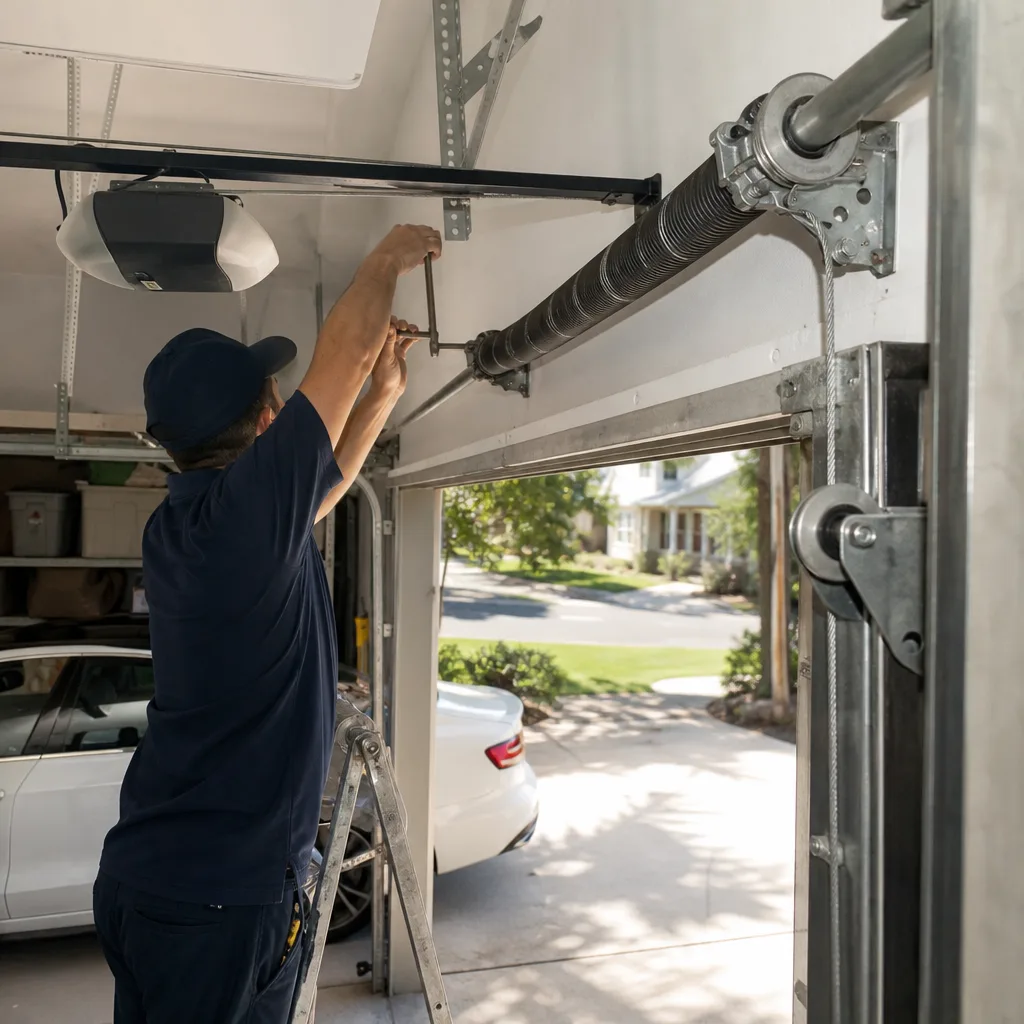
- Attempting a DIY spring replacement. Torsion springs are under enough tension to cause serious injury or death. This is the one repair where even mechanically skilled homeowners should stop. A professional has the winding bars and the experience, and the job costs far less than an emergency room visit.
See the difference
 Before
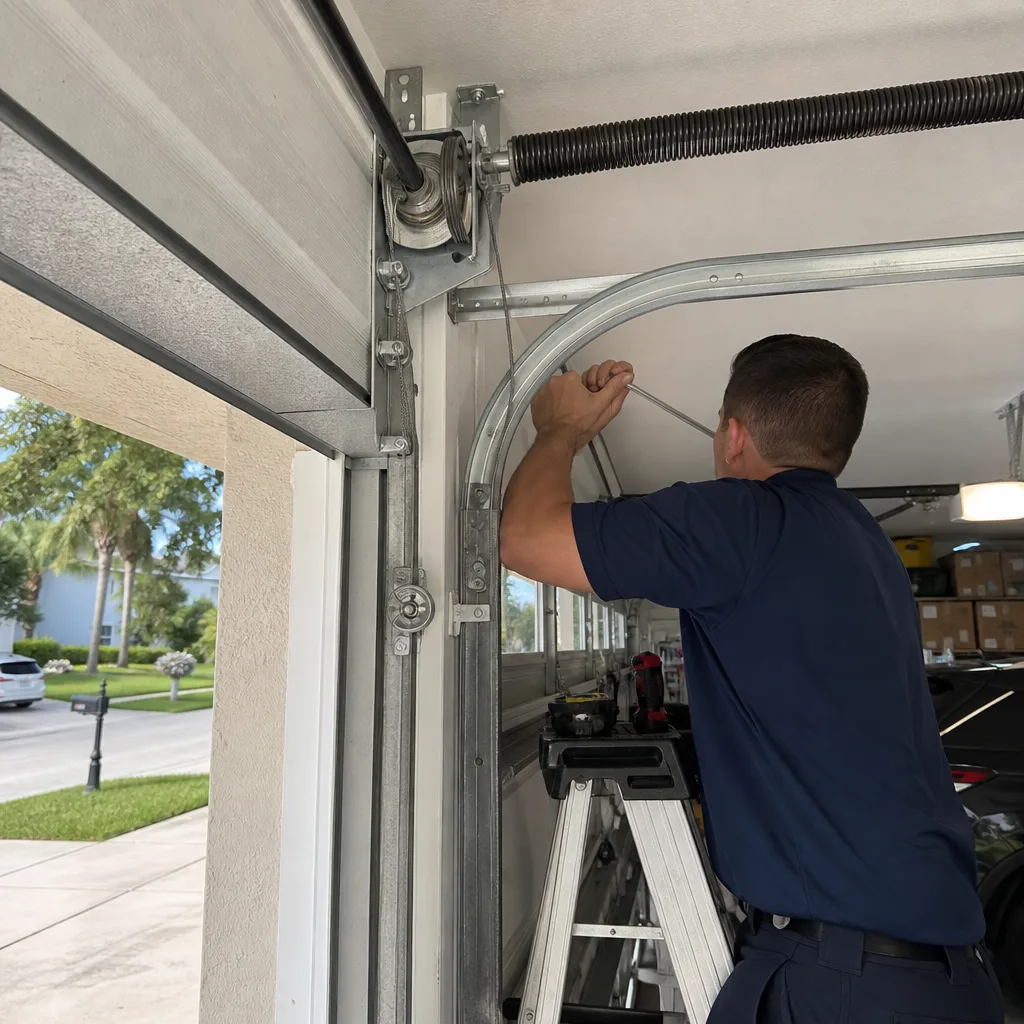 After
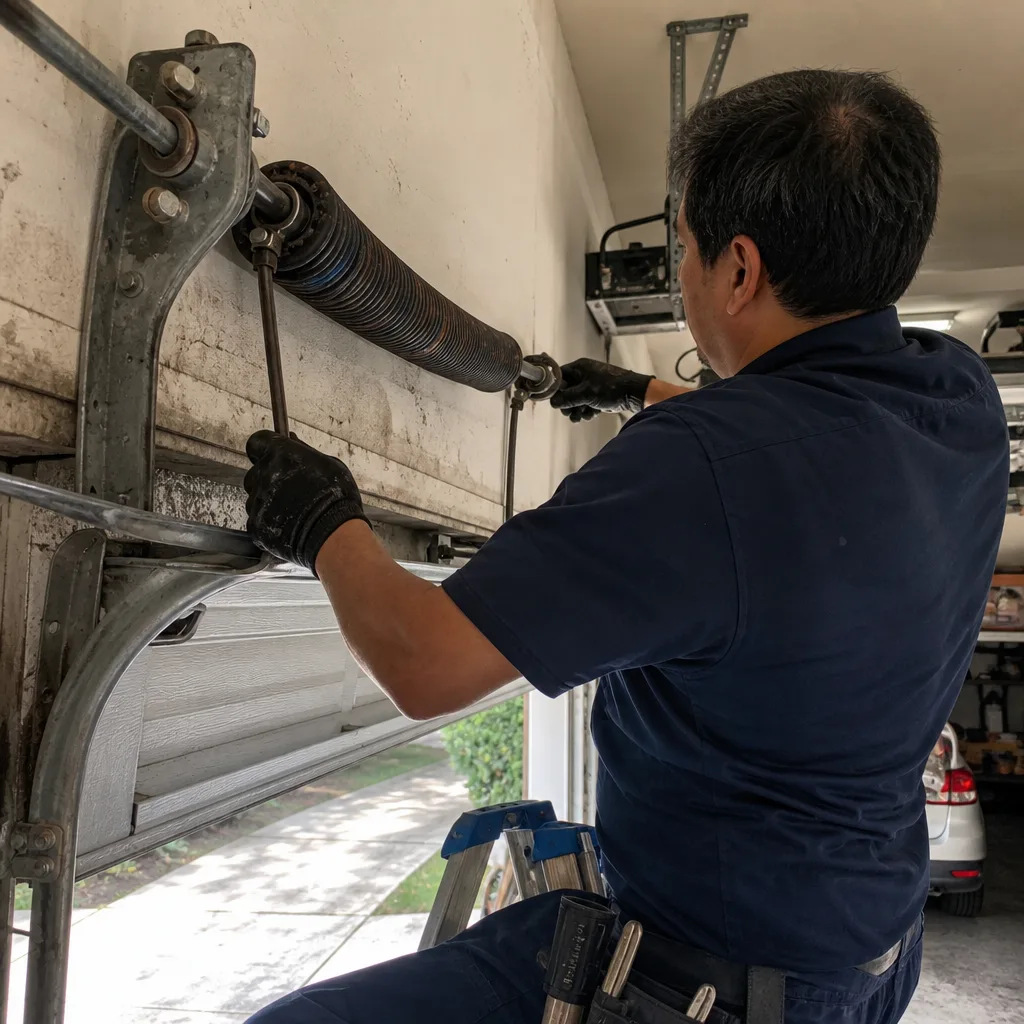 Before
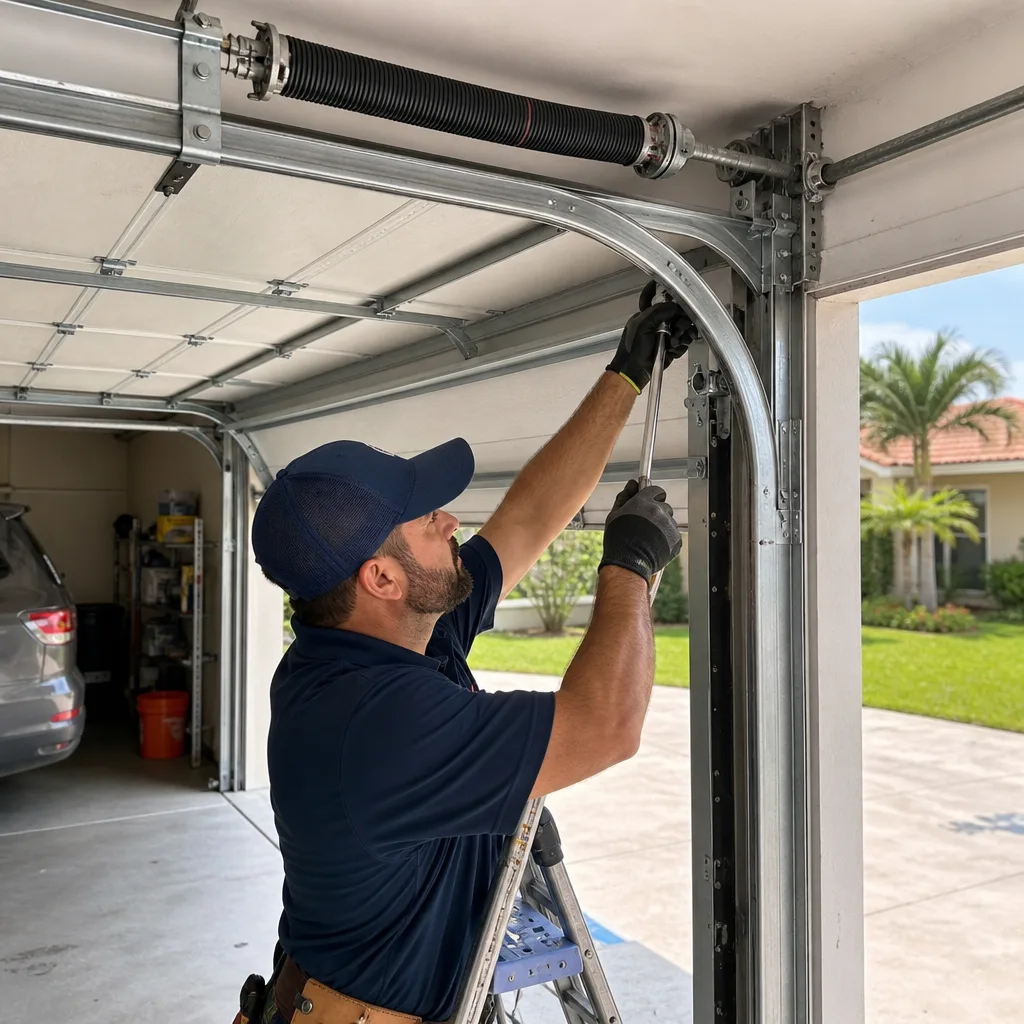 After
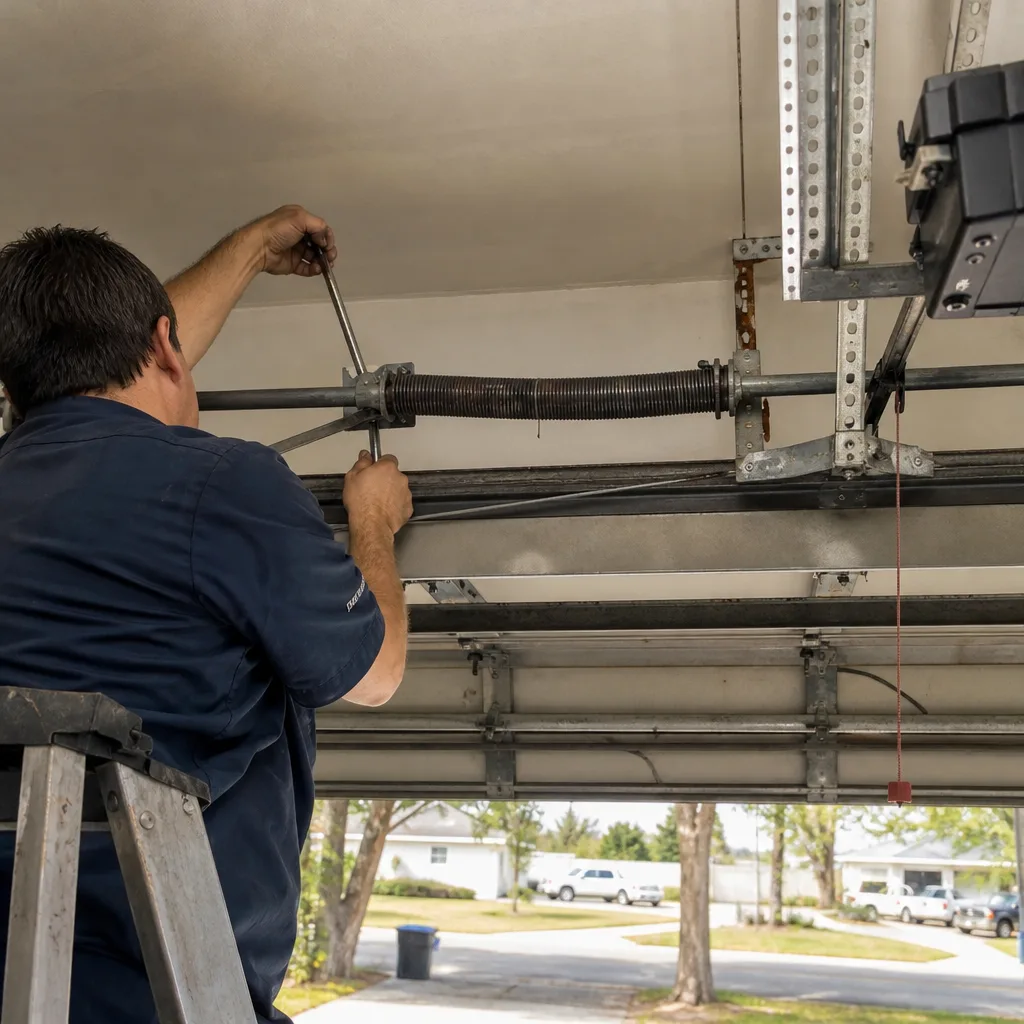 Before
 After
When to Call a Professional
A garage door emergency is not the moment to test your DIY skills. Call a professional when: a spring is visibly broken, a cable is frayed or snapped, the door is off its tracks, the door fell or dropped suddenly, the opener is smoking or humming without moving, or the door won’t respond to the wall button or remotes. Safety is the line you don’t cross. Springs and cables under tension cause serious injuries every year, and the outcome is never worth the money saved. West Palm Beach Garage Door Co offers free estimates in West Palm Beach. Call (877) 265-9120 and describe what happened. A specialist who can diagnose over the phone will tell you what to do in the next five minutes, then arrive with the right parts. Back to working order, the same visit.
Frequently Asked Questions
Pull the red emergency release cord straight down. This disconnects the opener carriage from the door, allowing manual operation. The cord is located on the opener rail above the car’s position in the garage. Pull straight down, then lift the door by hand from the handle or bottom rail. If the door feels heavy or won’t move, the spring may be broken. Stop and call a professional.
A wind-load-rated sectional garage door in West Palm Beach typically costs $1,800 to $3,500 installed, depending on size, material, and whether it’s impact-rated or only pressure-rated. Impact-rated doors cost more than pressure-rated doors. Installation includes reinforcing the tracks and hardware to match the door’s rating. Call (877) 265-9120 for a free estimate specific to your door opening.
Sometimes. A pressure-rated door with proper bracing has survived storms up to Category 2 in West Palm Beach. But survival is not guaranteed, and in a Category 3 or higher, a non-impact-rated door is the most likely structural failure point on the home. The pressure differential created when a garage door breaches is the mechanism that lifts roofs. The door protects the house as much as it protects your car.
Yes, spring replacements, cable repairs, and most opener repairs can be completed the same day. West Palm Beach Garage Door Co dispatches technicians with stocked trucks and can usually repair a door in one visit. If the door needs parts that aren’t on the truck, the work is typically scheduled within a day or two. Call (877) 265-9120 and describe the issue for an accurate timeline.
Yes, garage doors are typically covered under the dwelling coverage portion of a homeowners policy, subject to your hurricane deductible. The payout depends on documentation: photos of the door’s pre-storm condition, the age of the door, and whether it was wind-load rated. Homes with impact-rated doors may qualify for wind mitigation credits that reduce premiums and simplify claims.
Not always. A surge can fry the logic board, which is a replaceable component on most LiftMaster, Chamberlain, Genie, and Craftsman openers. If the opener hums but doesn’t run, or clicks without engaging, the board or the drive gear may be the problem. A repair specialist can replace these parts on-site for less than the cost of a new opener. If the opener is more than 12 years old, replacement is often the better option.
The Bottom Line
Garage door emergencies in West Palm Beach fall into two buckets: mechanical failures and storm threats. Both are predictable, both are preventable, and both catch most homeowners unprepared. The fix starts with a professional inspection before hurricane season. Know whether your door is wind-load rated. Document its condition with photos. Have a manual release protocol you’ve practiced. And keep a garage door specialist’s number where you can find it in the dark. The door is the largest moving part on your house and the most likely point of structural failure in a hurricane. Treat it accordingly, and it will do its job when the wind picks up.
Written by the team at West Palm Beach Garage Door Co home, serving West Palm Beach since 2013. We specialize in garage door repair, opener repair, and installation for homes throughout the region, including Garage Door Repair in Loxahatchee Groves, Garage Door Opener Repair in Loxahatchee Groves, and Garage Door Installation in Loxahatchee Groves. If your door isn’t storm-ready, call (877) 265-9120 for a free estimate.